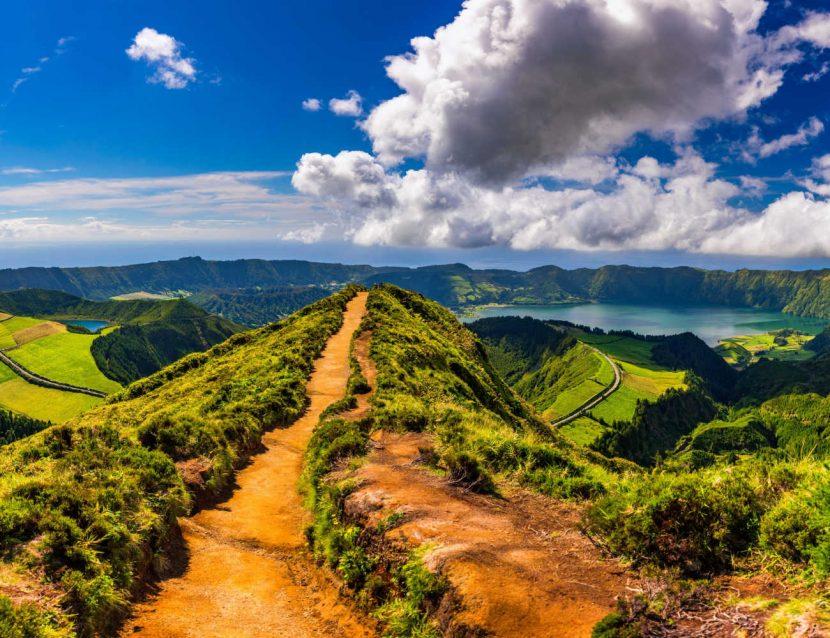
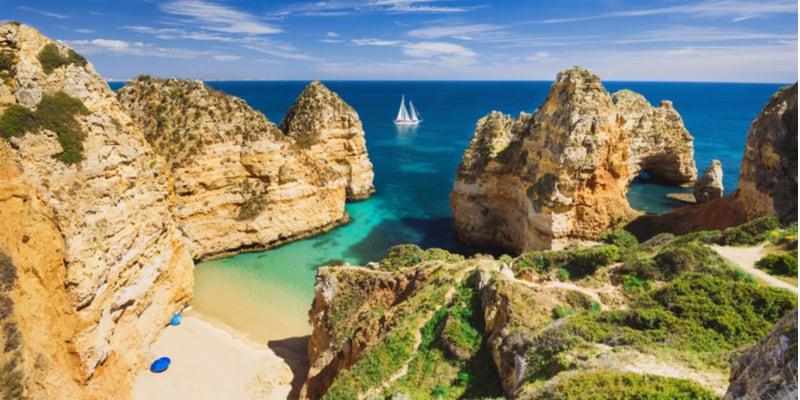
There are so many incredible things to do in the Azores that we don't think you'll ever have a dull moment. It's simply impossible to get bored in such a beautiful, diverse and fascinating place. So what can you do in the Azores?
One thing's for sure: if you travel to the Azores, you're in for the trip of a lifetime!
What makes it so special?
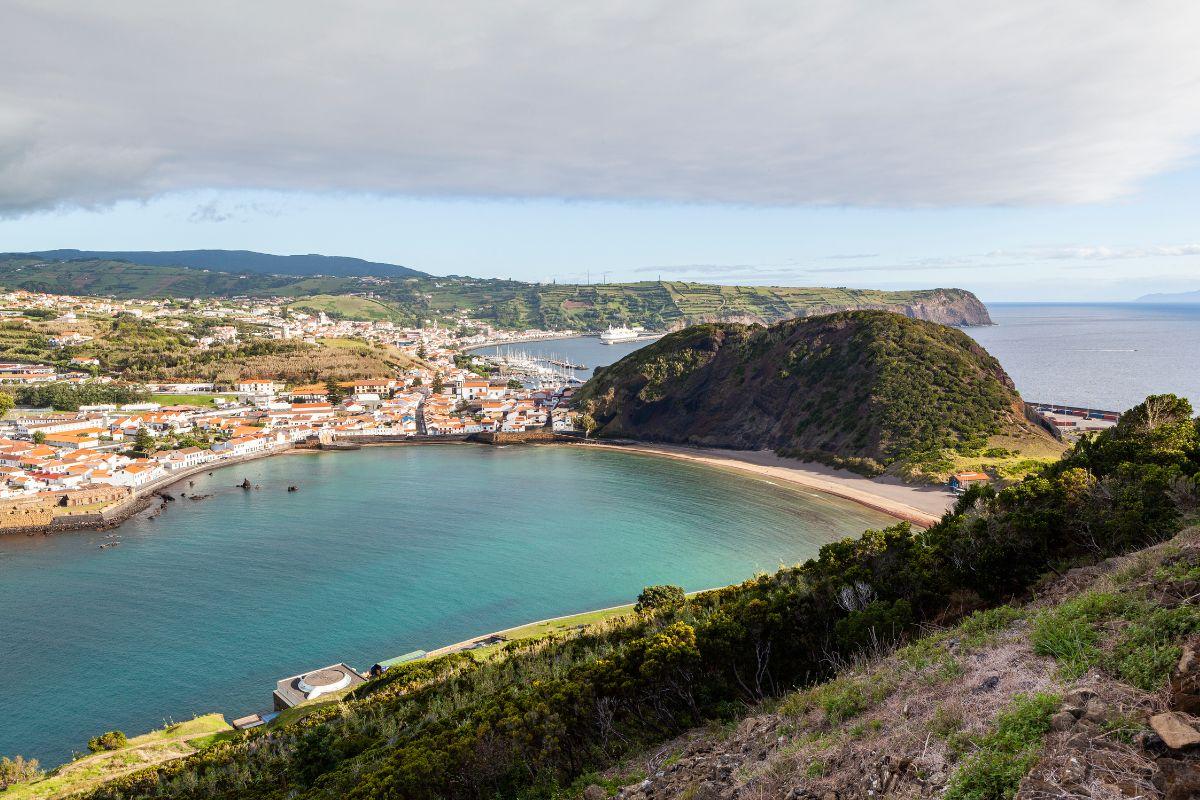
The location, landscape and wildlife of the Azores are so incredibly unique that you'd be doing yourself an injustice if you didn't spend all your time discovering its natural wonders.
Plan to visit as many natural attractions as your itinerary allows, including the famous lakes of Sao Miguel, Sete Cidades and Lagoa do Fogo. And if you have time to visit several islands, make the most of their superb beaches. Whale-watching excursions are the best way to see the island's world-famous aquatic life, but if you're an experienced swimmer, diving is said to be unforgettable.
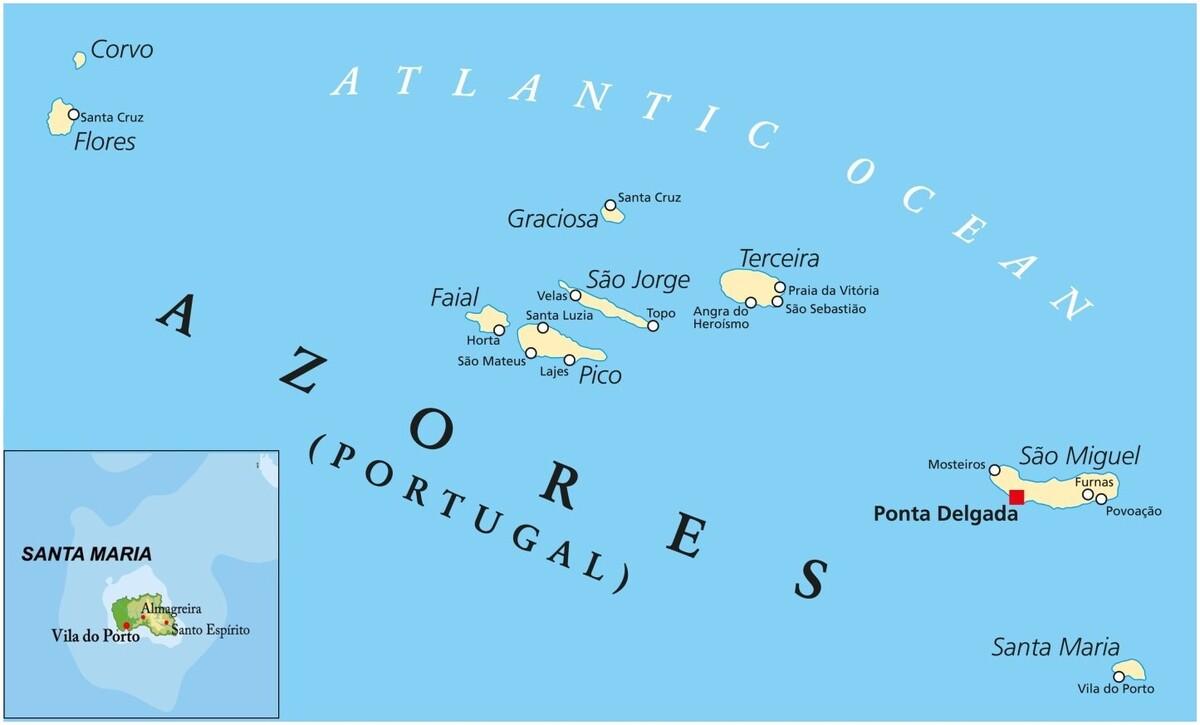
Map
Accommodation:
In the Azores, you'll find several types of accommodation to choose from, depending on your desires and your budget. There are over 70 hotels in the archipelago and, particularly on the islands of São Miguel and Terceira, this is obviously the easiest and most flexible solution for the occasional traveller looking to visit the Azores; you can find your ideal establishment by checking out the offers on hotel comparison sites.
You can also immerse yourself in Azorean culture by renting a quinta, an old mansion converted into a guest house, often attached to a sumptuous estate. You can also stay with farmers, who may even offer seasonal work in the Azores for young people looking for adventure.
A reminder:
Although around twenty campsites offer pitches for unforgettable nights under the stars, remember that wild camping is forbidden in Portugal!
Architecture and historic monuments
Travelling around the Azores will bring back wonderful memories. Each of the islands is home to unique natural and historical attractions. San Miguel is the largest island in the archipelago. On the island, travellers are advised to visit ancient 17th-century palaces, the church of San Sebastian and a treasure trove located next to it, as well as the Carlos Machado Museum. Nature lovers can wander through picturesque forests or climb to the crater of the Sete Cidades volcano. The island of Terceira is no less remarkable. The island is also home to some magnificent religious monuments. Travellers traditionally like to take a trip to the Algar do Carvao cave, which was formed over two thousand years ago as a result of a volcanic eruption.
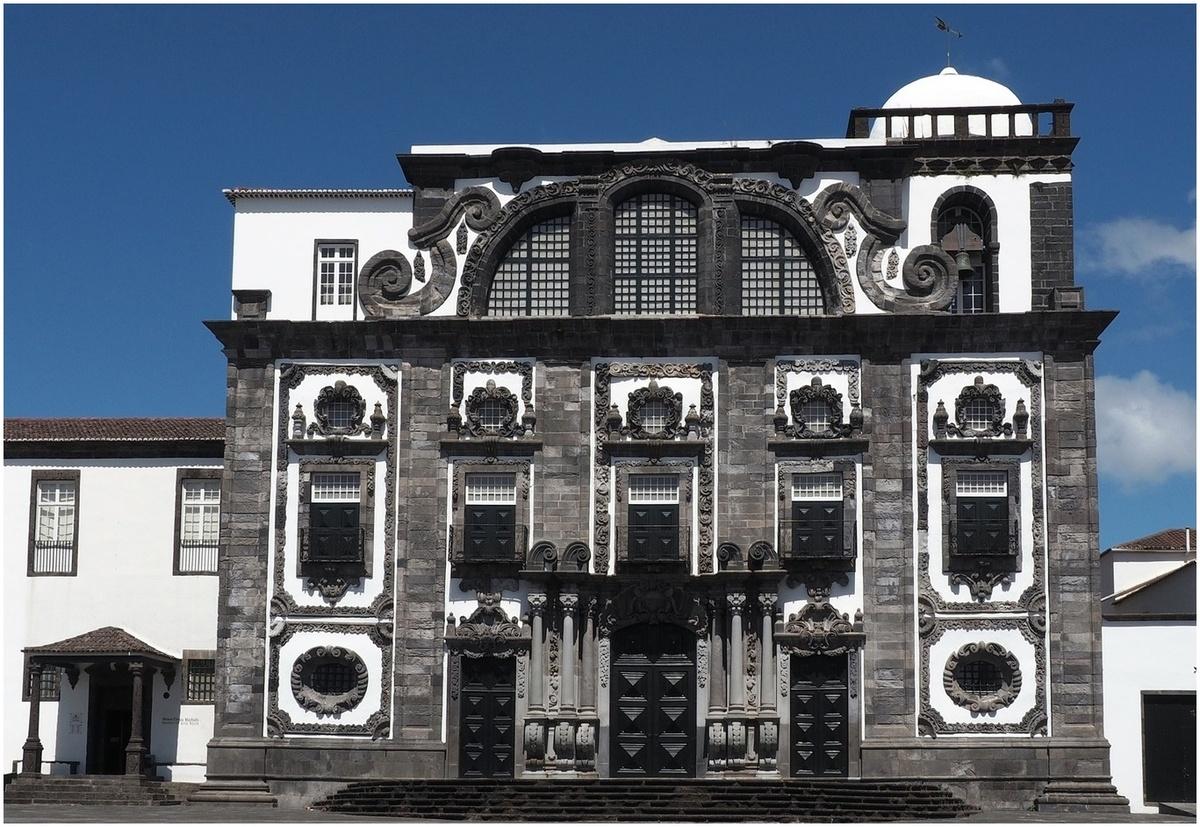
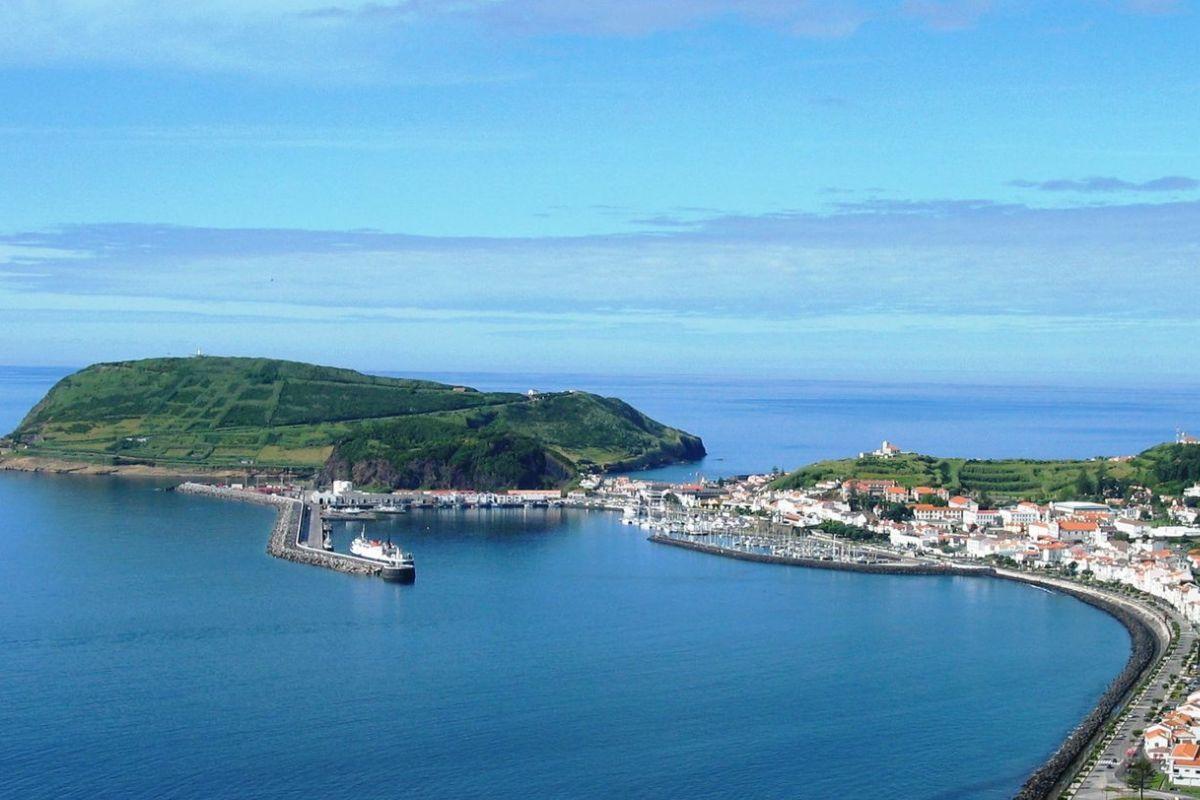
The island of Faial is home to a magnificent Caldera nature reserve. Tourists can climb the observation deck of Monte da Guia and enjoy the picturesque panorama of the island. Lovers of water-based entertainment will appreciate the island of Santa Maria more than most. As well as its luxurious beaches, the island is widely known for its beautiful church. A stroll through the town's charming streets is a totally unforgettable experience. There are also many interesting buildings to see.
Don't forget the island of Pico and its many remarkable historic buildings, as well as the beautiful town of Vila do Porto. The most luxurious mansions and churches built in the Baroque style can be seen on the island of Flores, and on the island of Sao Jorge have been preserved aristocratic mansions built in the early 17th century. The island of Graciosa is home to an outstanding natural site. This is the sulphurous Furna do Enxofre cave. Inside the cave is a magnificent underground lake. Take a stroll through the town's streets and you'll come across beautiful mansions built in the 18th century, an old cathedral and a monument in the shape of a large cross, which was also built over a hundred years ago.
Gastronomy
The national cuisine of the Azores is a unique blend of traditional Portuguese dishes and original chefs' recipes. The methods used to prepare certain culinary masterpieces are quite special. Cozido das Furnas is a meat dish that is a huge hit with tourists and visitors alike. Slices of meat and vegetables flavoured with spices are placed in a large pot, which is then buried in volcanic ash. Four hours later, deliciously juicy meat and vegetables are ready. Local restaurants are a real favourite with seafood lovers.
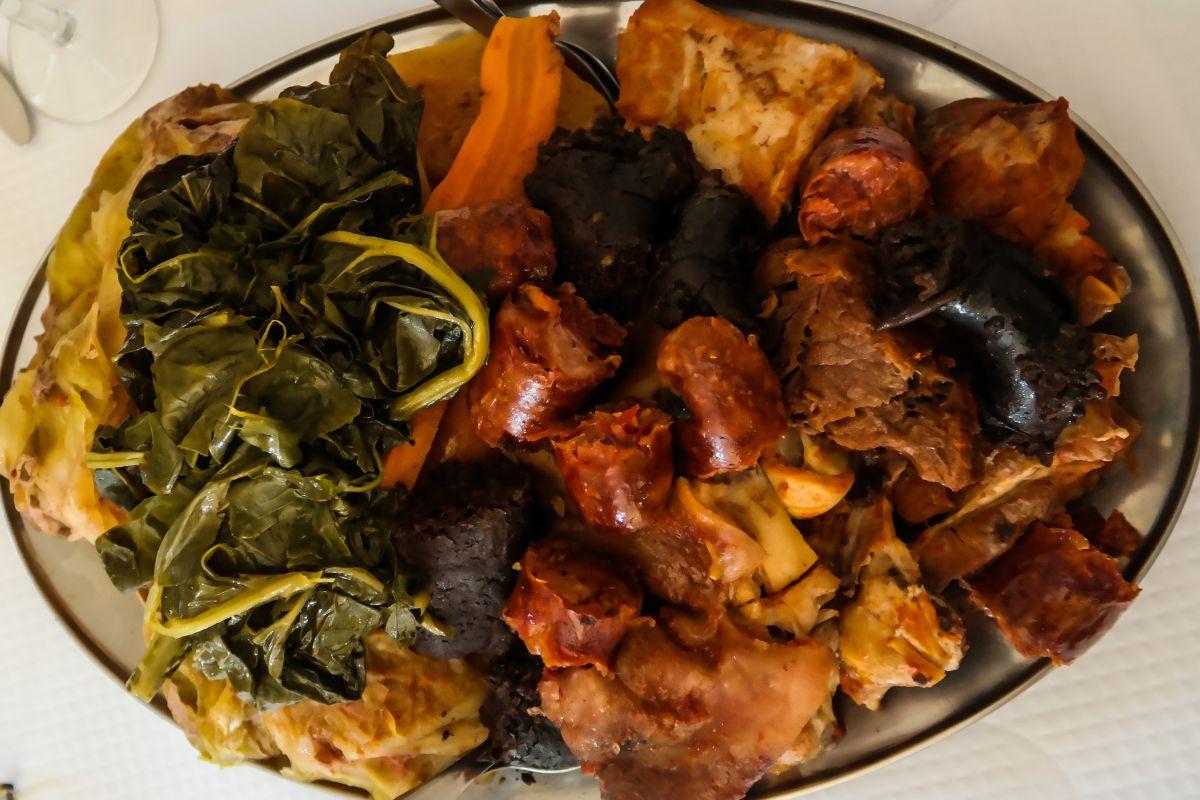
As well as original fish dishes, diners are sure to be offered a taste of local delicacies. More often than not, restaurant customers order octopus simmered in white sauce. Of course, national cuisine also includes simpler dishes. Fans of European cuisine will certainly love the turnip soup Caldo de nabos, which is usually served with a variety of vegetables on the side. Caldo Azedo sour soup is another original starter. This soup is made from a variety of vegetables and is usually served cold. Local Azorean cheese is no less popular. Travellers often buy it as a souvenir.
Top things to do in the Azores
Discover Algar do Carvão
Which island? Terceira
Highlights: Unique lava cave with an empty or full lake.
Price: you pay €8, a combined ticket with the Gruta do Natal costs €12. The Gruta do Natal is not a real cave, but a lava tunnel. It is less spectacular than the Algar do Carvão, but it is still impressive to see how the lava flows have created huge tunnels.
Opening times: The cave opens in the afternoon at 2 or 2.30pm.
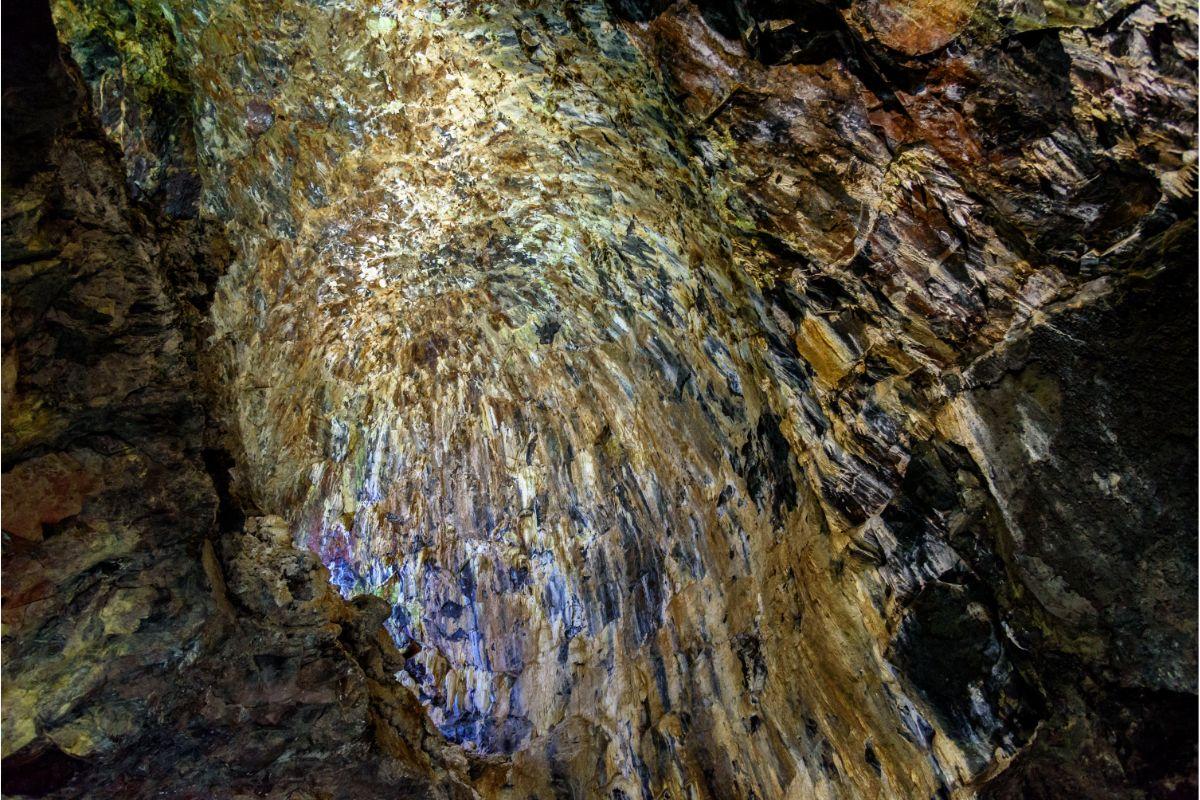
The Algar do Carvão cave is completely unique, and similar caves can only be found in Iceland.
At the top of the cave is a small visitor centre. An imposing tunnel leads from the visitor centre into the volcanic cave. As soon as you emerge from the tunnel, you get your first spectacular view of the cave.
The cave is 90 metres deep.
At the bottom is a lake formed by rainwater. Depending on the time of year, it can be up to 14 metres high, empty or full.
The water is crystal clear and the view is breathtaking.
There's no need to worry about bats in this cave, as there aren't any.
The lava is so porous that bat echolocation does not work.
This unique feature of the lava rock ensures very good acoustics and the cave is regularly used for concerts.
Tip:
The cave is very wet all year round, with water constantly dripping from the ceiling. A mackintosh may be useful.
Make sure you bring something a little warmer too, as it's only about 14 degrees down there.
Looking for fairies in Furnas do Enxofre
Which island? Terceira
Highlights: Plumes of smoke and colourful mosses.
Price: Free
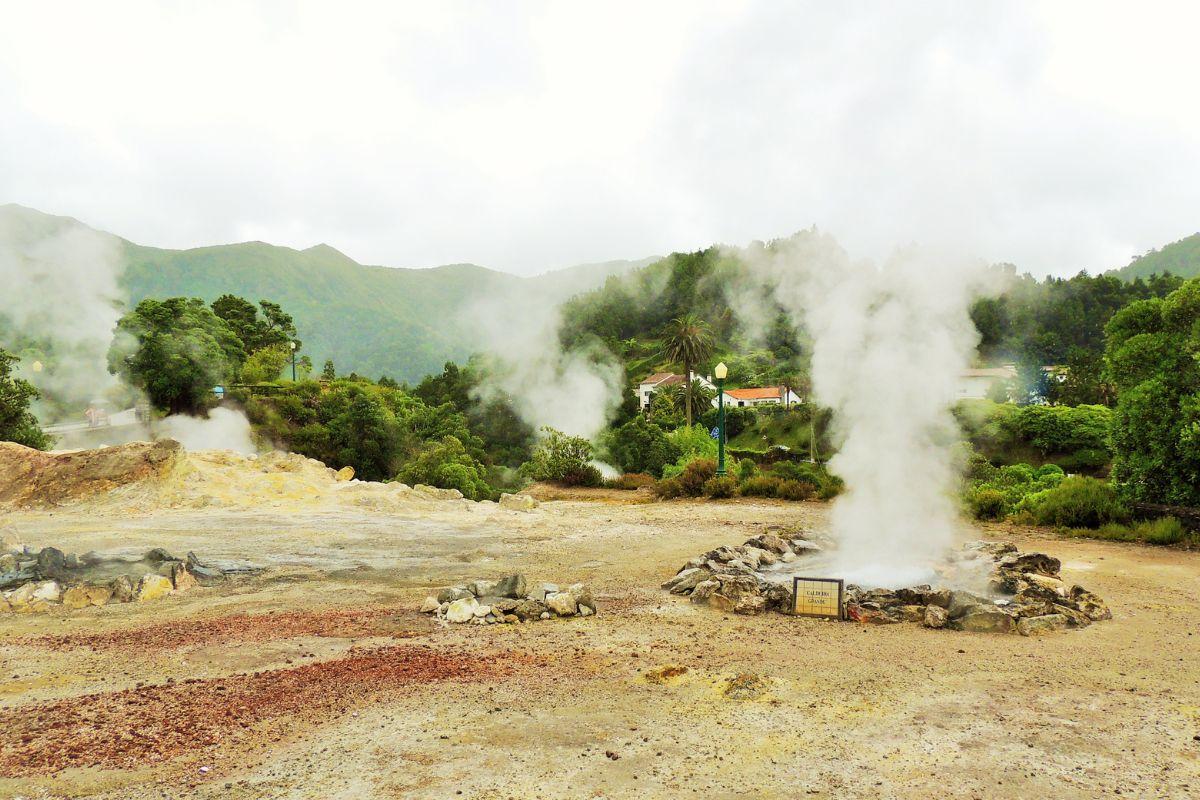
Furnas do Enxofre is an area of high volcanic activity known as the fumarolic field.
This is an area where several fissures in the earth's crust, known as fumaroles, emit steam and gases from an underlying heat source. The ground is generally very hot. At Furnas do Enxofre, it reaches around 95° Celsius.
The plumes of smoke and the smells that emanate from it already make it a place to see, but what makes it all so photogenic are the colourful mosses that can thrive in this special, somewhat chemical ecosystem.
A short loop takes you around and over the cracks.
Although the area is not very large, it feels like a fairyland.
Alas, only the real fairies are missing!
Admire the view from Lagoa do Fogo
Which island? São Miguel
Highlights: Magnificent crater lake with incredible views
Price: Free
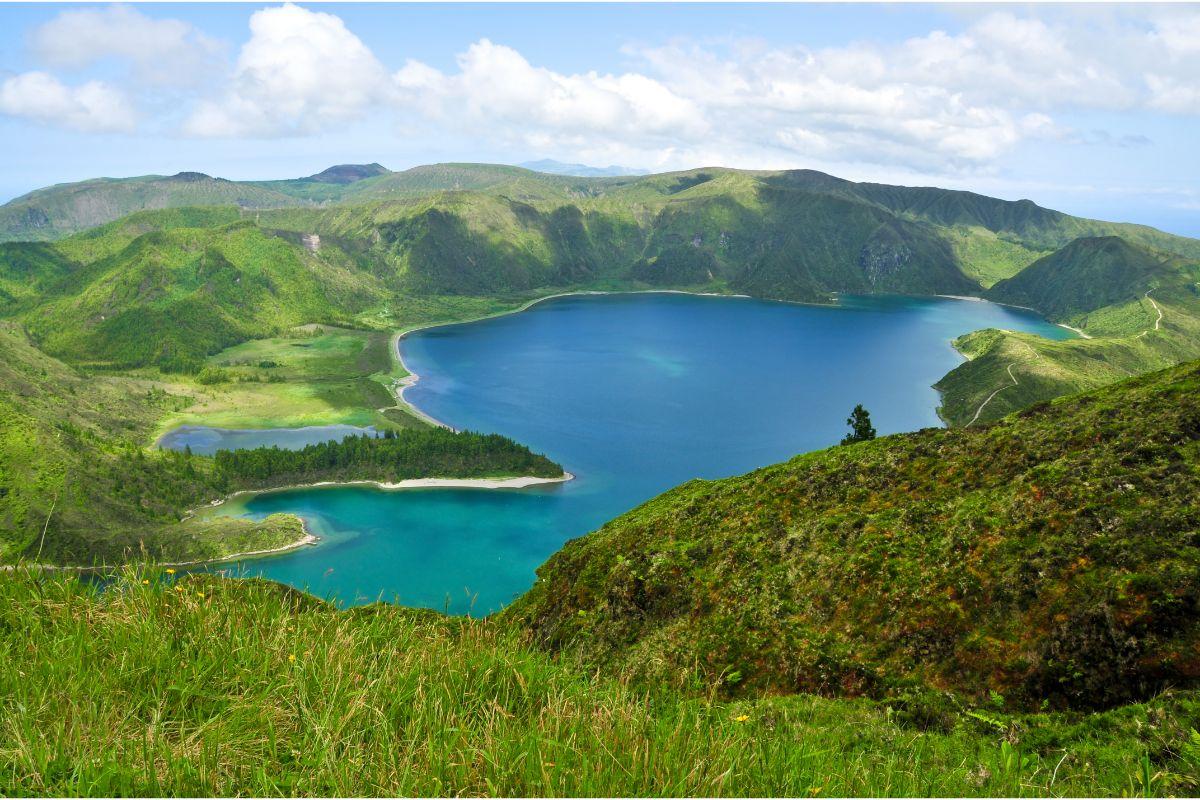
Lagoa do Fogo is a magnificent crater lake. Literally translated, it means "Lagoon/Lake of Fire". It is the highest lake on the island and is located in a stratovolcanic complex in the centre of the island.
Because of the altitude, it's best to plan your visit on a clear day. The viewpoint over the lake is located at the edge of the crater and is often covered in clouds.
Tip:
On cloudy days, you'll find yourself with your head in the clouds and you won't see a thing.
You can also hike to the edge of the lake.
The trail is 11km round trip.
Tip:
Here's a tip if you want to check in advance whether it's worth driving to the summit. The website spotazores.com offers several webcams, including one at the Lagoa do Fogo viewpoint.
Enjoy the view from Sete Cidades
Which island? São Miguel
Highlights: Breathtaking views of the lakes
Price: Free
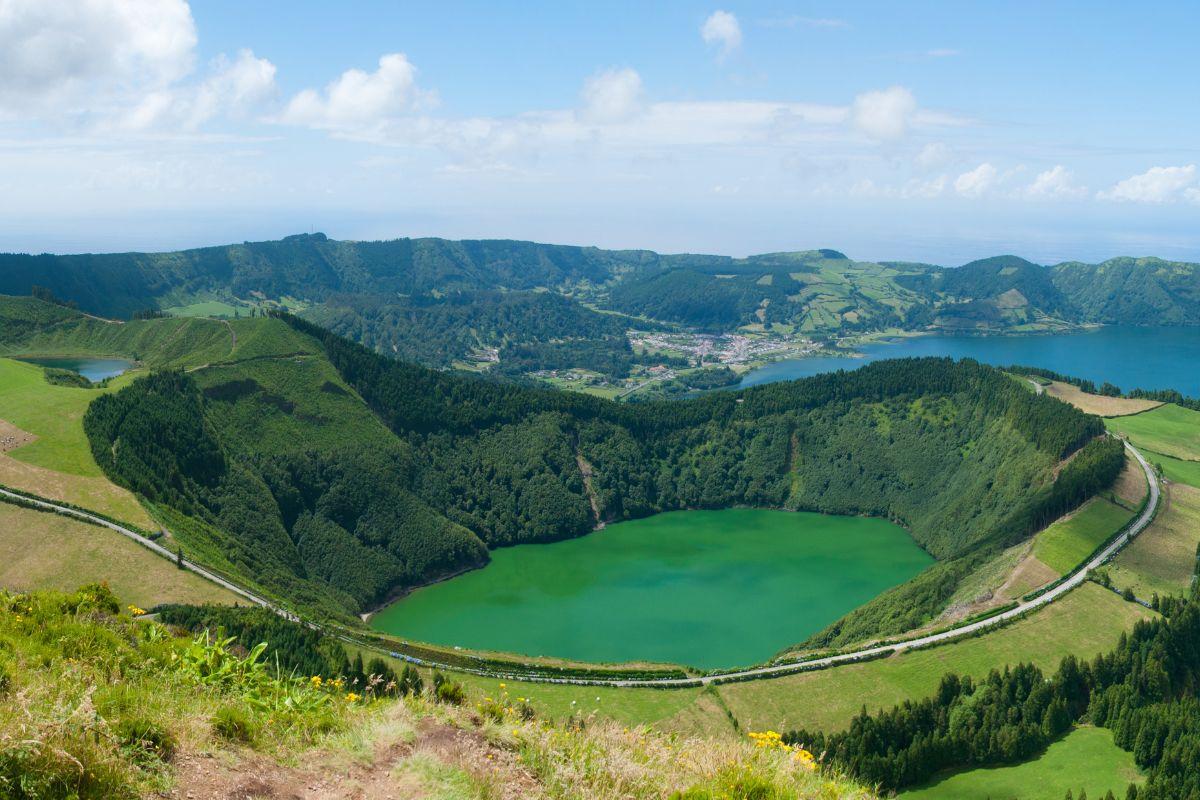
If you've ever daydreamed while looking at photos of the Azores, chances are one of them features the iconic blue and green crater lake of Sete Cidades.
The lake is shaped like an eight, so it looks like there are two lakes. One half of the lake is green, and the other is blue.
These twin lakes are probably the most photographed of the group of islands.
The difference in colour clearly visible in the photos between the two lakes in general is due to the strong growth of algae in one part of the lake, which gives it a green appearance.
There are two spectacular viewpoints, Vista do Rei and Boca do Inferno.
Tips:
Plan your visit on a sunny day, as this is when the difference in colour is most obvious. On less sunny days, the viewpoints are often covered by a thick layer of cloud.
We advise you to visit these viewpoints at the earliest opportunity.
If you want to check in advance whether it's worth driving to the viewpoints. The spotazores.com website has several webcams, including one at the Sete Cidades viewpoint.
If you enjoy hiking, there are some lovely trails. The Vista do Rei trail and the Mata do Canário trail both offer stunning views of the lake.
Visit the Miradoura da Boca do Inferno
Which island? São Miguel
Highlights: Stunning viewpoint where you can take an iconic photo.
Price: Free
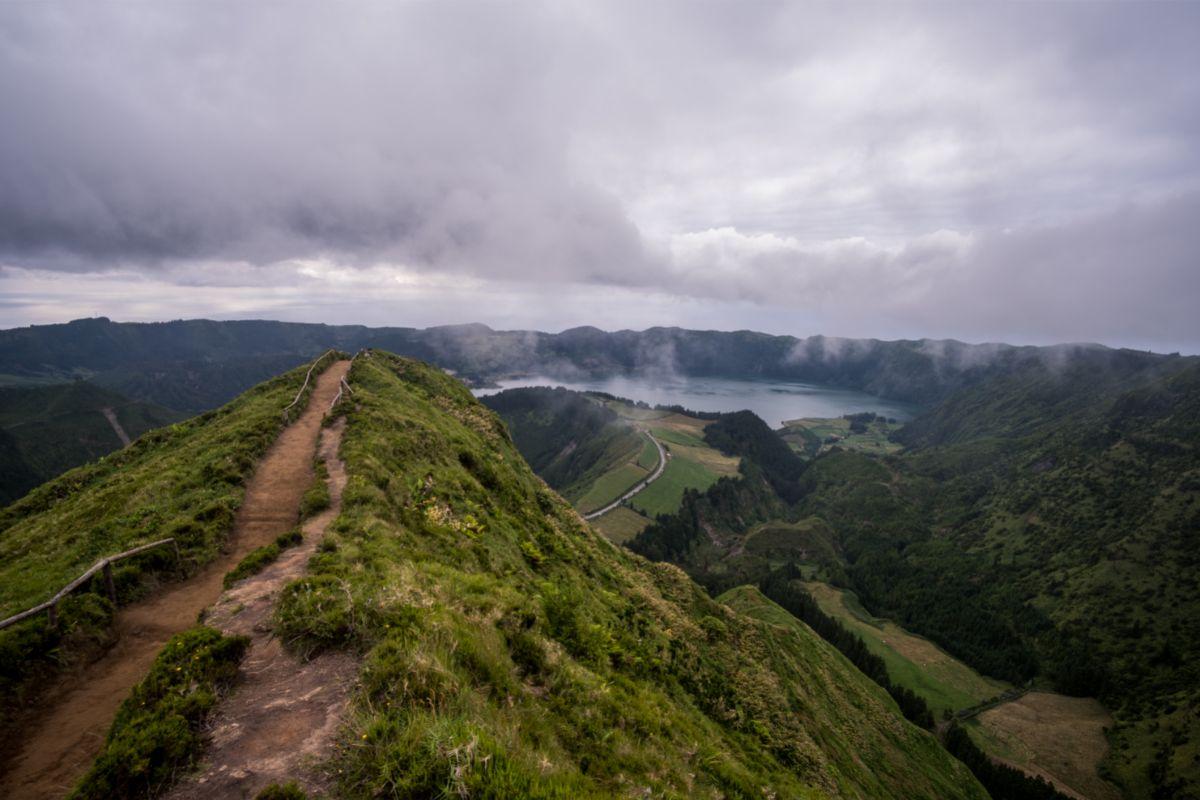
The Vista Do Rei viewpoint is the easiest to get to, but the Boca do Inferno viewpoint is the most beautiful.
Articles about the Azores are almost always accompanied by a photo of the iconic view of Sete Cidades taken from the Boca do Inferno viewpoint.
The Azores became popular thanks to a photo taken from this viewpoint and published in National Geographic.
The view of Sete Cidades from this vantage point is truly breathtaking. This is one of the must-see sites in the Azores.
Itinerary: Park your car at the Lagoa do Canário car park, from where a short flight of stairs leads up to the viewpoint.
Walk through the tea fields of Gorreana
Which island? São Miguel
Highlights: The chance to see one of the few tea plantations in Europe.
Price: Free
Opening hours: Open every day, weekdays from 8am to 7pm, weekends from 9am to 7pm.
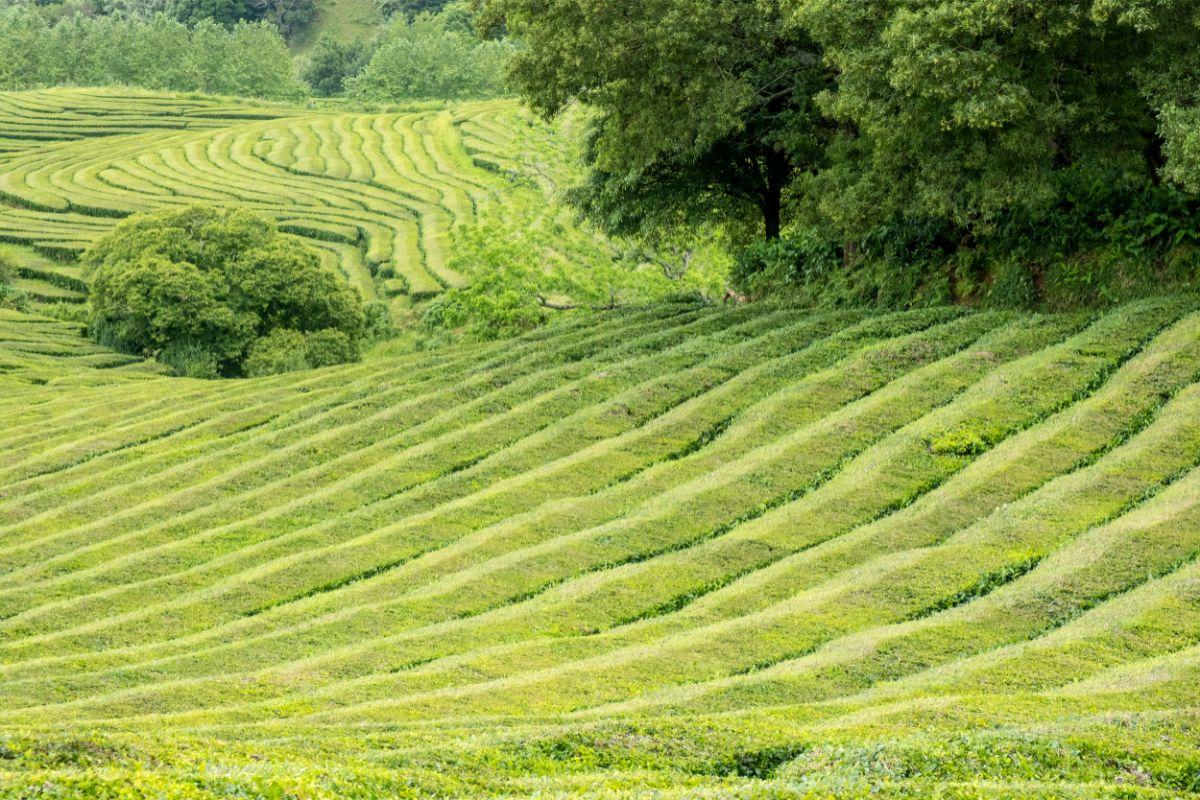
These tea fields are smaller than those in Malaysia or India, but they are well worth a visit.
It is precisely because of this small scale that you can get an idea of the manual process of harvesting and processing tea leaves.
You can see how they pick the tea and you can wander freely around the factory where the tea is made.
Chá Gorreana is the oldest and one of the few tea plantations in Europe. It is well worth a visit for this reason alone.
Birdwatching on Fajã Dos Cubres
Which island? São Jorge
Highlights: An ideal spot for seabird watching
Price: Free
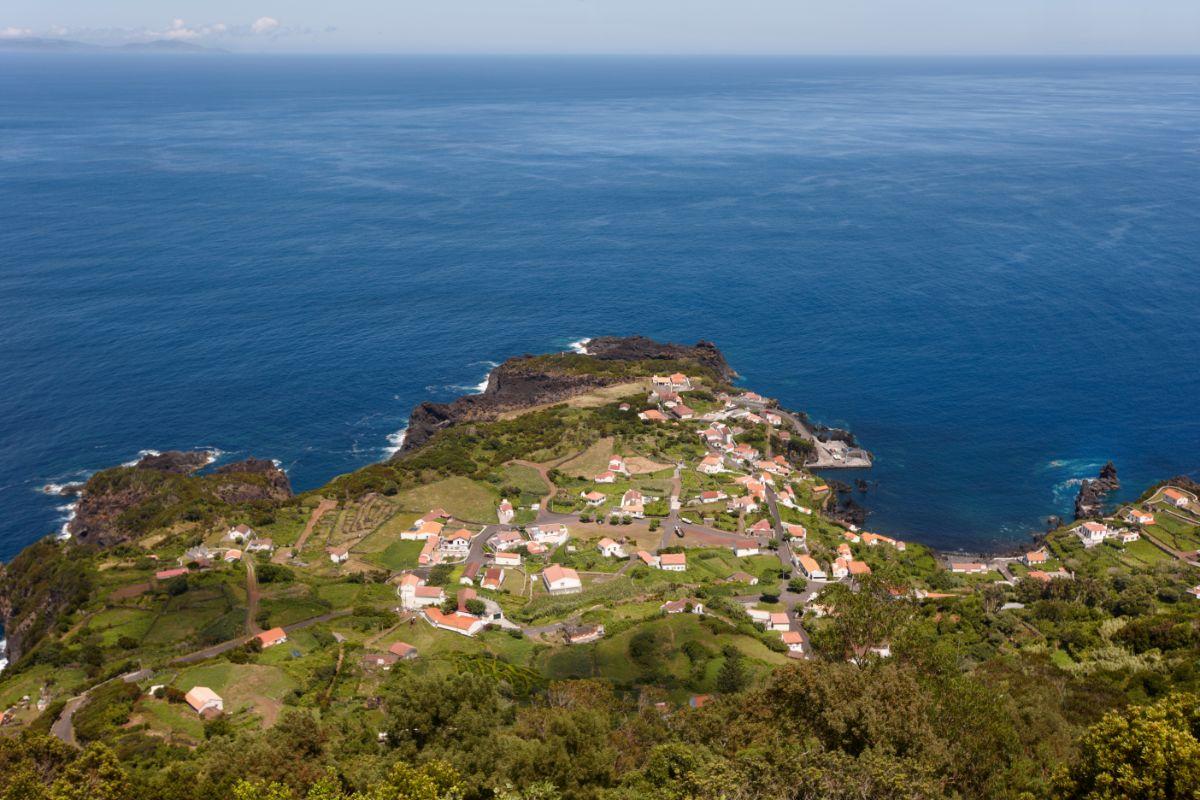
Fajã Dos Cubres is a beautifully situated lagoon where many seabirds can be observed. It lies on the rugged north coast of the island of São Jorge.
We particularly like the combination of the serene lagoon and the steep, jagged mountainside.
Climbing the Pico volcano
Which island? Pico
Highlights: The chance to climb Portugal's highest peak
Price: €20 per person if you climb alone, €50-60 per person if you take a guide.
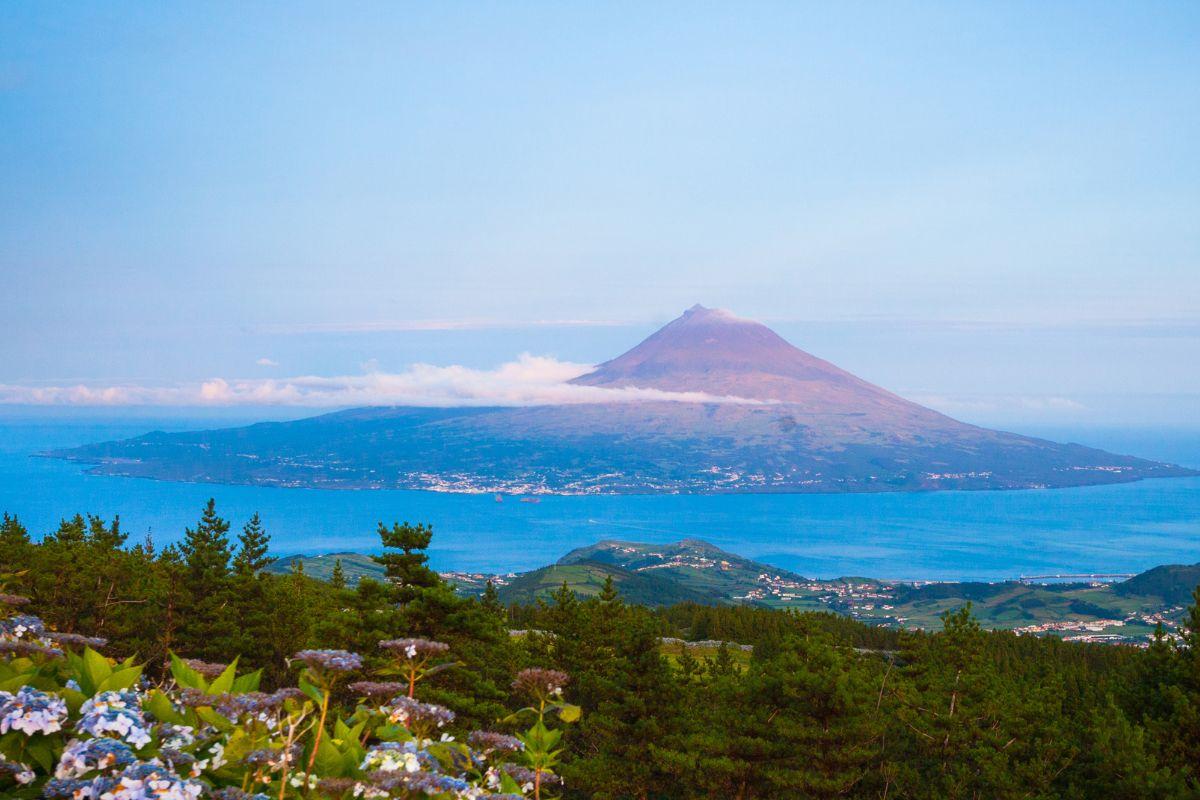
At 2,351 metres, the Pico volcano is the highest mountain in Portugal.
When the mountain isn't hidden by clouds, you can see it everywhere on Pico. It can even be seen from the neighbouring islands of Terceira and São Jorge.
The bravest among you can conquer the mountain. This can be done independently or with a guide. The path to the summit is not easy. At times, it is quite steep and you have to climb over large rocks. If you keep up the pace, it will take you around three hours for the ascent and four hours for the descent.
Where: Mount Pico is located on the eponymous island of Pico.
Open: 24 hours a day, 7 days a week - You can climb the mountain at night to get to the top in time for sunrise and you can also camp at the top of the mountain.
Admission: Everyone is required to register at the Mountain House. You will receive a GPS which can be used to locate you in the event of an emergency. The registration fee depends on the distance you wish to climb. It costs €20 to get to the summit. Hiring a guide costs around €50 to €60 per person.
Tip:
If you prefer to simplify your life while increasing your chances of taking fantastic photos in good weather, you can opt for a guided tour with overnight accommodation on the mountain.
Walk through the lunar landscape of the Capelinhos volcano.
Which island? Faial
Highlights: Walking around a desolate moonscape
Price: The area can be visited free of charge. Admission to the visitors' centre costs €10 for adults / Children aged 7 to 14 and senior citizens aged over 65 benefit from a preferential rate of €5. Children under 6 can enter free of charge.
Opening hours: The area can be visited 24 hours a day, 7 days a week - The visitor centre is open: 1 November to 31 March Monday: closed / Tuesday to Friday: 10am - 5pm / Weekends: 2pm - 5.30pm 1 April to 31 October Daily: 10am - 6pm
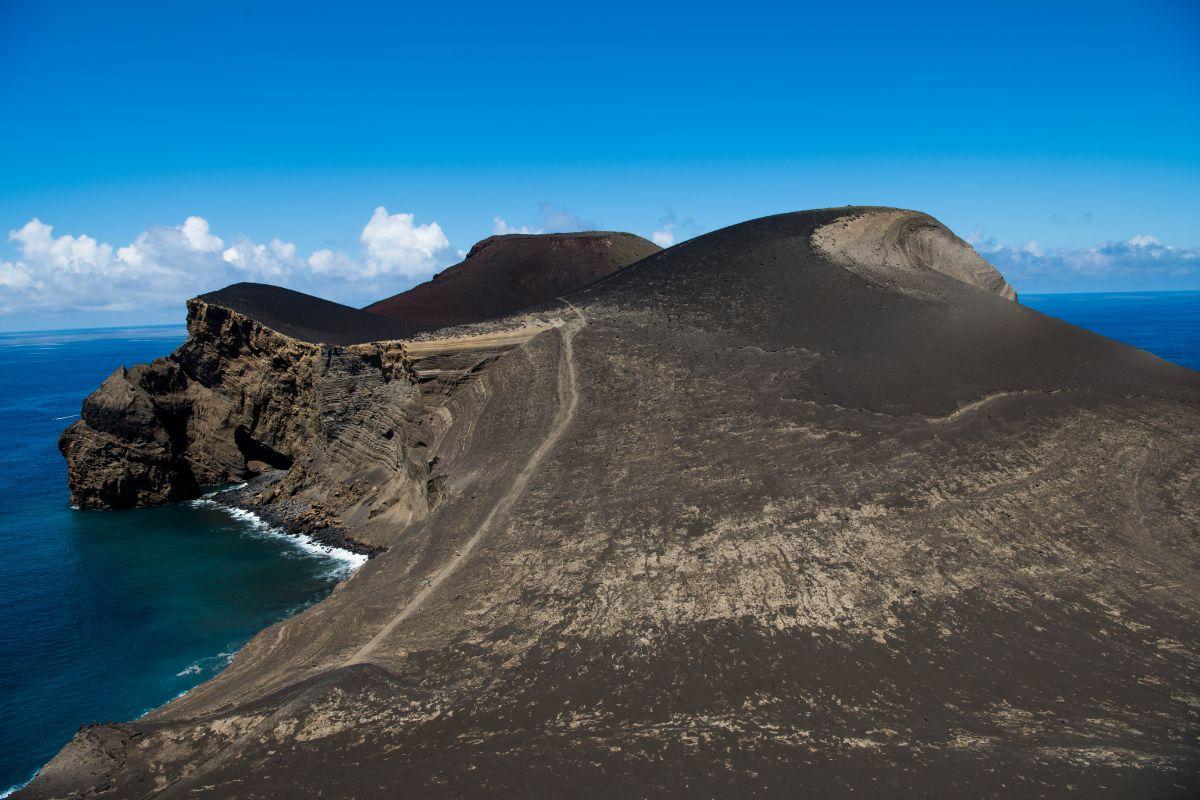
The Capelinhos volcano erupted around 50 years ago, creating a desolate moonscape.
The area has a truly alien feel and contrasts sharply with the predominantly lush, green island.
The visitor centre houses a small museum and shows a film about the eruption. The entrance to the lighthouse is also inside the visitor centre.
Tip:
Other tickets are available if you just want to see the film or climb the lighthouse.
Hike around the crater of the Caldeira volcano
Which island? Faial
Highlights: Hike around a huge crater
Price: Free
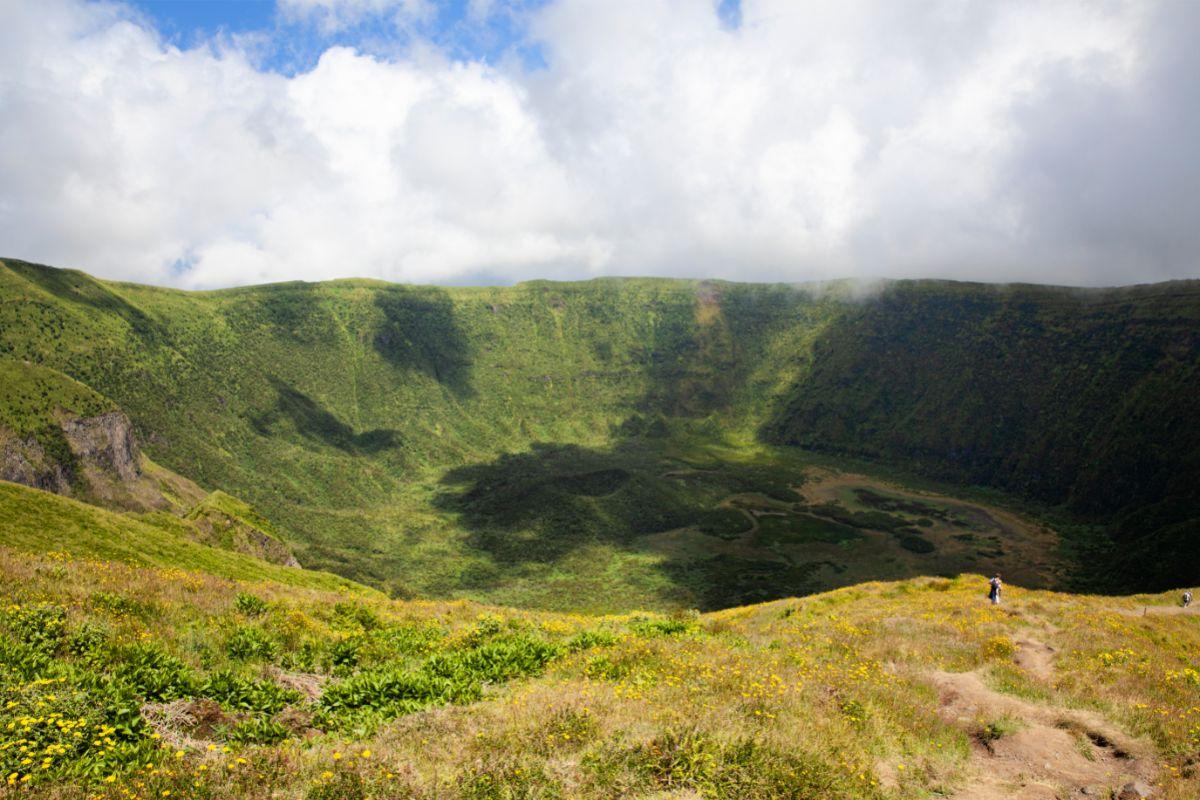
This is a huge crater two kilometres in diameter on the island of Faial.
The summit is often in the clouds, but on a clear day, the view of the crater and its surroundings is simply breathtaking. On a very clear day, you can even see the Pico volcano.
There is a viewpoint at the top of the Caldeira volcano. This is also where the trail that takes you around the crater begins.
Tip:
You can also descend into the crater with a guide.
Dolphin and whale watching
Which islands? Almost all the islands have tour operators. You have the best chance of seeing these fantastic animals on tours departing from the islands of Pico, Faial or São Miguel.
Highlights: The chance to see dolphins and whales.
Price: €50-60 per person
When to go: Most companies that organise whale-watching excursions run two trips a day. One in the morning and one in the afternoon.
Did you know that in the Azores, you have a 95% chance of seeing dolphins and a 75% chance of seeing whales?
From February to April, you can even spot the blue whale, the largest whale in the world.
Adults of this species can weigh up to 170 tonnes.
A dolphin and whale watching trip should be high on your list of things to do in the Azores.
Advice:
The excursion is cancelled in the event of bad weather, so don't wait until the last day to book your excursion.
For booking, we recommend GetYourGuide because they are flexible. Sometimes your plans change unexpectedly, but it's good to know that most excursions booked on this site can be cancelled free of charge up to 24 hours in advance.
Admire the steaming geysers at Caldeira das Furnas
Which island? São Miguel
Highlights: Admire the steaming geysers at Furnas
Price: Admission is €3 and parking costs €0.50/hour.
Highlights: Watching the steaming geysers
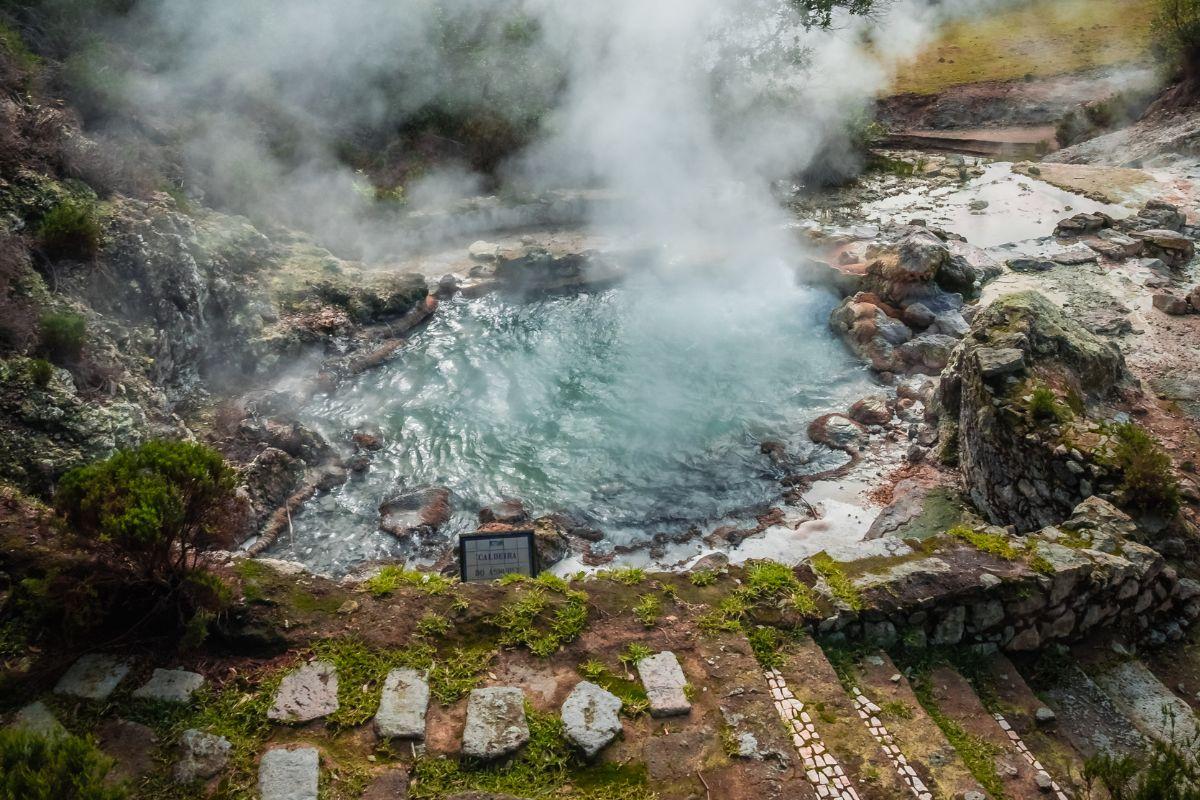
The smoking geysers of Caldeira das Furnas are another Azorean curiosity not to be missed in Furnas.
This parcel of land is home to several steaming and boiling volcanic cauldrons.
The pools are also used to prepare a local speciality dish, Cozida das Furnas, which is a kind of stew.
After admiring the steaming geysers, you can bathe in one of the hot springs or enjoy the local speciality dish Cozida das Furnas in one of Furnas' restaurants.
Tip:
Allow around 30 minutes for your visit.
Try Cozido das Furnas
Which island? São Miguel
Highlights: Tasting of the local speciality dish
Price: Approximately €24 for 2 people

Cozido das Furnas is a traditional stew made with vegetables and meat.
This stew is prepared in a pot that is lowered into a hole in the ground and left to cook for 5-6 hours using the natural heat of the geothermal springs.
You can enjoy this meal in one of Furnas' restaurants.
Tip:
You need to book in advance if you want to try Cozida das Furnas. This stew is cooked in the geysers for around 6 hours, so it's advisable to call in the morning or the day before.
Bathing in a hot spring
Which island? São Miguel and Graciosa
Highlight: Bathing in the hot water of a natural pool.
Price: Prices vary between €3 and €8, depending on the hot spring.
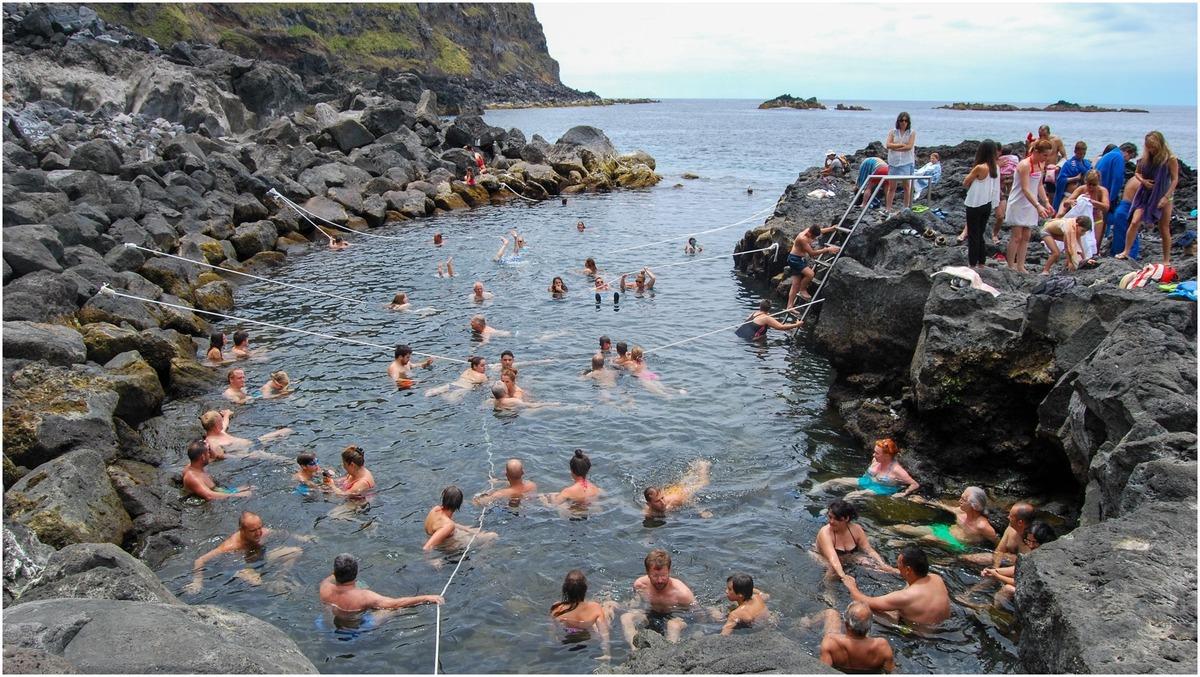
After several days' hiking, you may be in the mood for a day of relaxation.
There are several natural pools on the Azores islands, but the ultimate in relaxation is to be found in the natural hot springs of Furnas.
Discover the most beautiful waterfalls in São Miguel
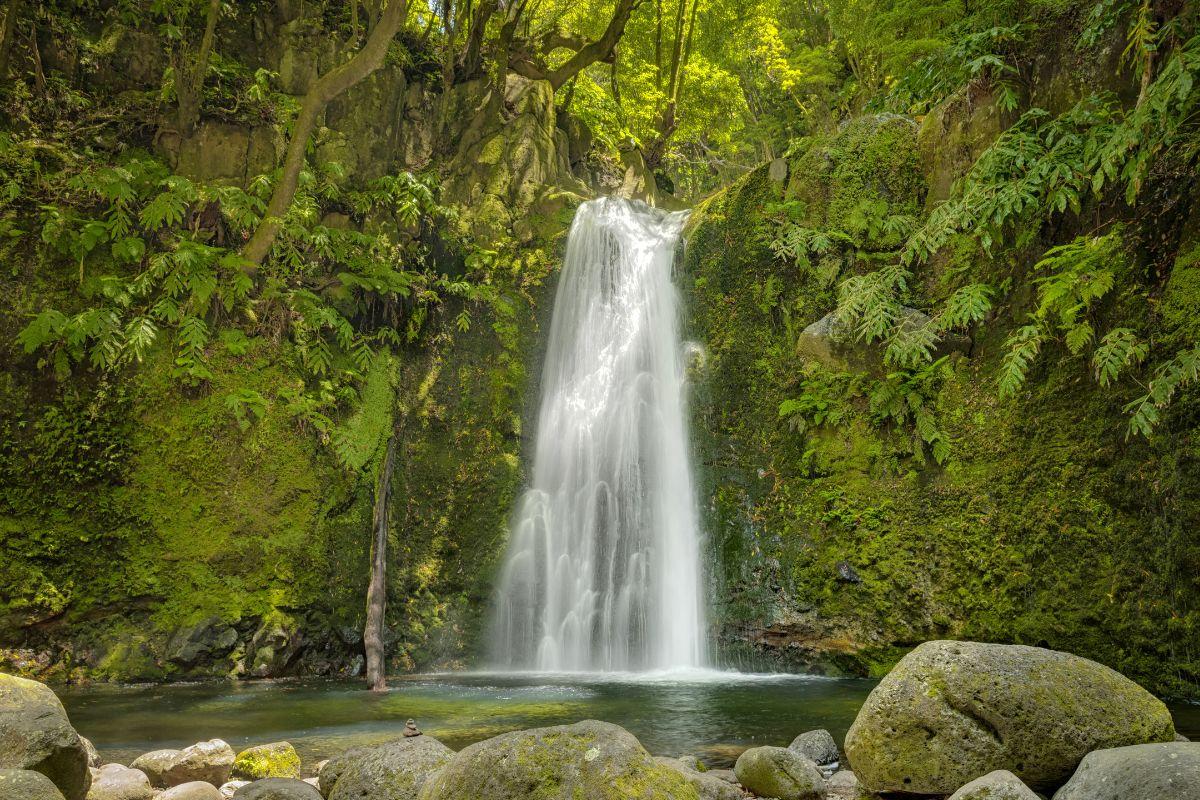
Most of the waterfalls are on the island of São Miguel.
We think you should definitely visit the following waterfalls:
Cascata de Moinhos (Porto Formoso)
This waterfall is our absolute number 1.
We don't think it has a name, or we don't know it, so we name it after the nearby village.
There are no signposts, which adds to the charm of the adventure, as this waterfall has yet to be discovered by tourists.
Where: On the island of São Miguel, behind the large car park at Praia dos Moinhos.
There's a campsite behind the car park, and if you cross the campsite, you'll find the steps leading up to the waterfall.
Salto do Prego
Number 2 is the Salto do Prego. You reach this waterfall after a picturesque walk of around 4.5 km round trip. You can either return the same way, or turn right at the junction on the way back. If you do this, you'll pass through the charming abandoned village of Sanguinho.
Where: On the island of São Miguel. The walk begins in the village of Faial Da Terra.
The waterfalls of Ribeira dos Caldeirões Natural Park.
There are several waterfalls in this national park.
The car park is also the starting point for the trails leading into the park. These trails will take you past several other waterfalls.
Where: On the island of São Miguel in the Ribeira dos Caldeirões nature park
Visiting the beaches
Which islands? All the islands of the Azores
Highlights: The chance to relax or take part in water sports
Price: Free
Although not really known as a beach destination, the Azores have many beautiful beaches with white and black sand.
Yes, you read that right, some of them are actually black. That's because the sand on these beaches is volcanic in origin and therefore black.
As well as relaxation, they offer a variety of water sports such as surfing, snorkelling and bodyboarding.
Some beaches have limited facilities such as toilets and showers. On other beaches, you'll find changing rooms, washing facilities, restaurants and sometimes even a campsite.
Swimming in a natural pool
Where: All the islands of the Azores
Highlights: the chance to swim in a natural pool
Price: Free
All the islands of the Azores have numerous natural pools. These natural rock pools are an ideal place to swim and bathe.
Amenities include changing rooms, toilets, restaurants, and sometimes there's even a lifeguard on duty.
One of our favourite natural pools to recommend is Biscoitos on the island of Terceira.
Walking around Angra do Heroismo
Which island? Terceira
Highlights: Exploring the historic streets listed as a UNESCO World Heritage Site.
Price: Free
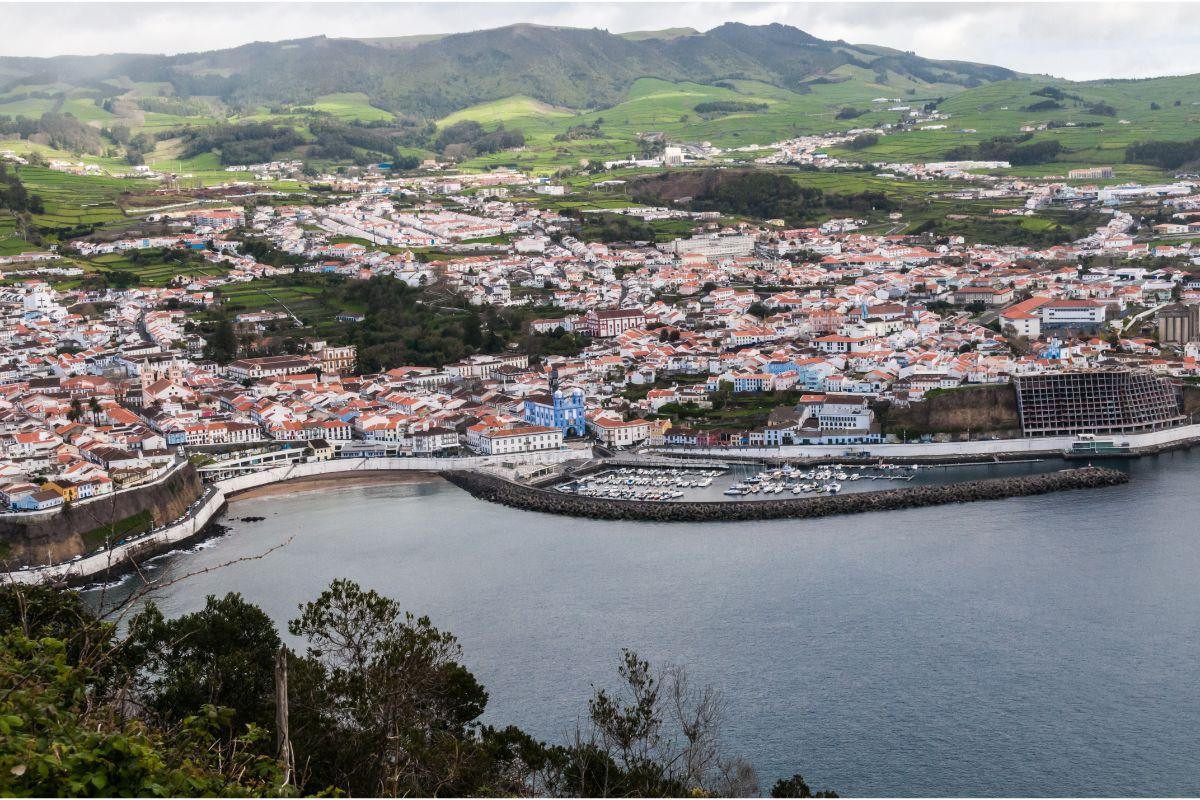
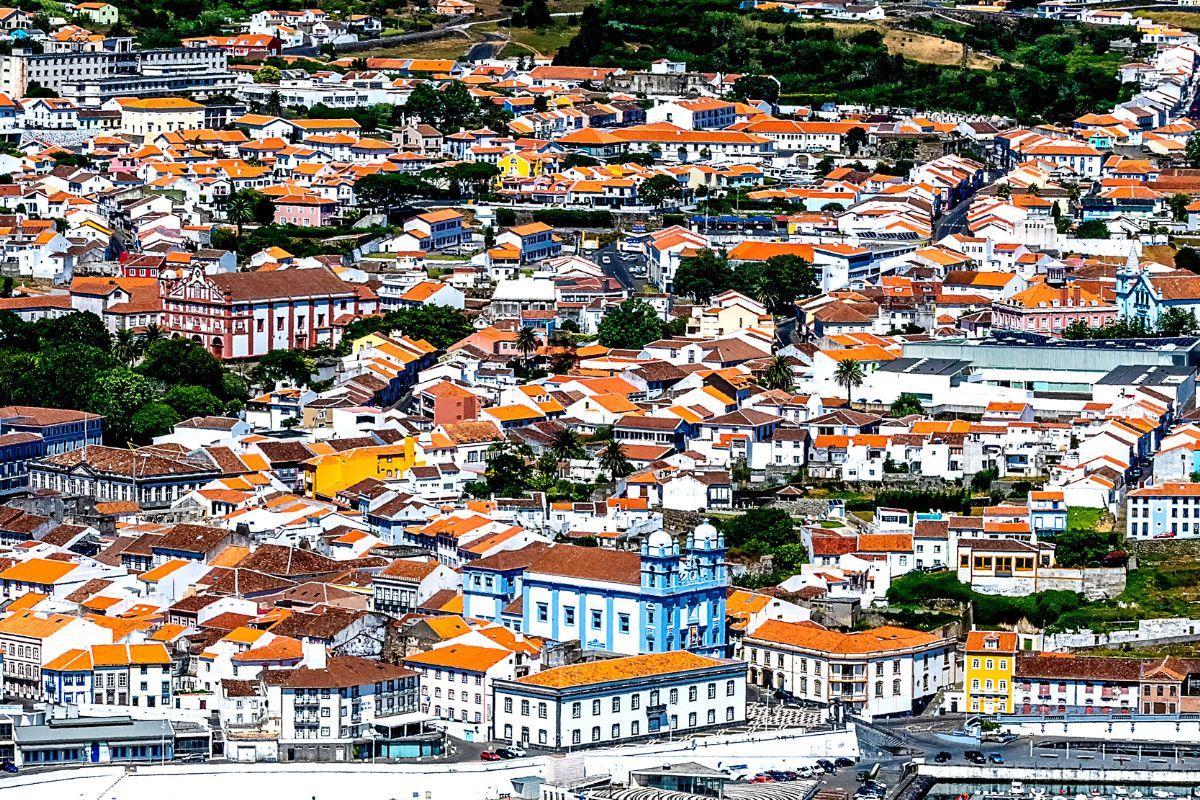
Angra do Heroísmo is the former capital of the Azores and is recognised by UNESCO as a World Heritage Site.
It is a very compact city best explored on foot.
As you stroll through the narrow streets, don't forget to admire the patterns on the tiles and floors, as well as the well-preserved colourful facades with mosaic paving and traditional red roofs.
For those interested in religious architecture, a visit to the Igreja da Misericórdia is a must. This waterside church, whose main chapel is absolutely exquisite, can be visited for a small fee.
Another highlight is Monte Brasil, a mountain formed by a volcanic eruption. It's an ideal place to relax and have a picnic.
From here, you'll have a breathtaking view of the city.
If you're lucky, you may even spot some wildlife.
Explore Horta Marina
Which island? Faial
Highlights: The chance to admire murals left by sailors from all over the world.
Price: Free
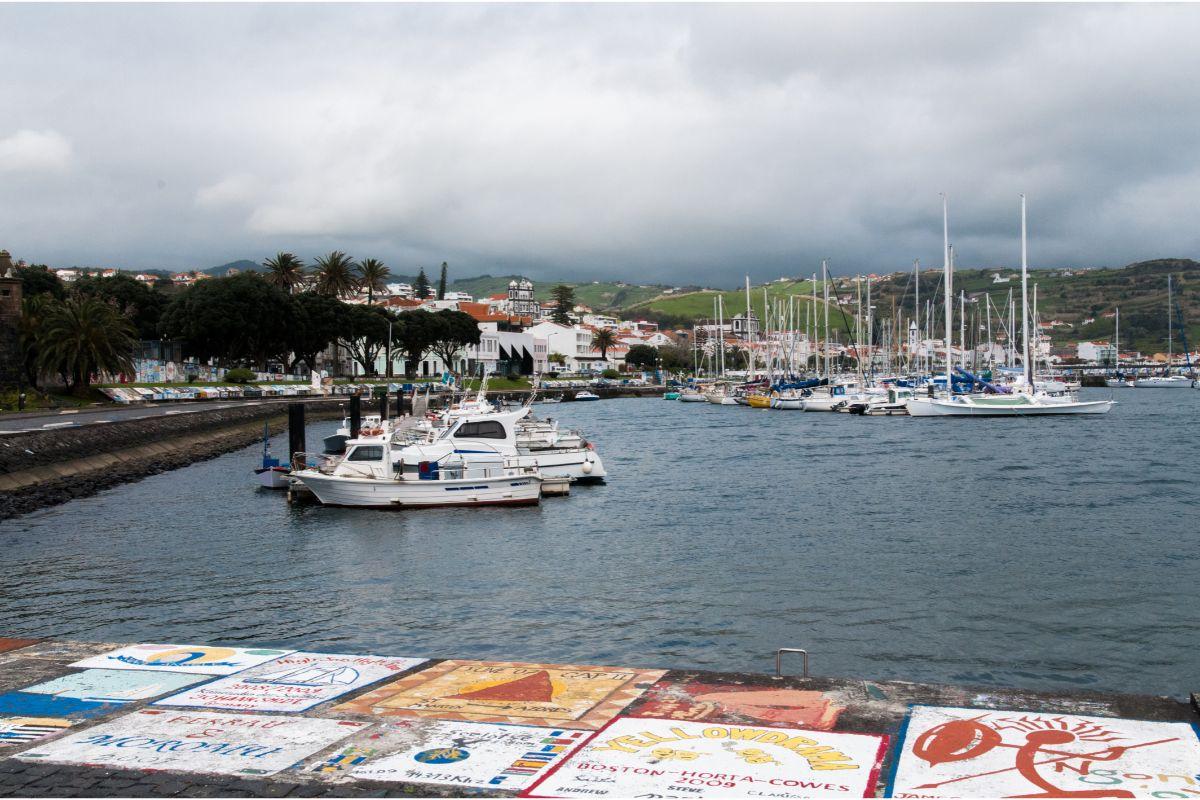
Horta marina has always been a popular stop for sailors crossing the Atlantic Ocean. Here they would gather information on the latest weather forecasts and replenish their stocks. They would also leave a mural with the name of the ship and its crew.
This tradition continues to this day, making for a very colourful visit.
When you visit the Marina, don't forget to stop off at the legendary Peter's Café sport.
Discover Gruta das Torres
Which island? The island of Pico
Highlights: The chance to learn more about lava flows
Price: €8, €4 for senior citizens (cash only)
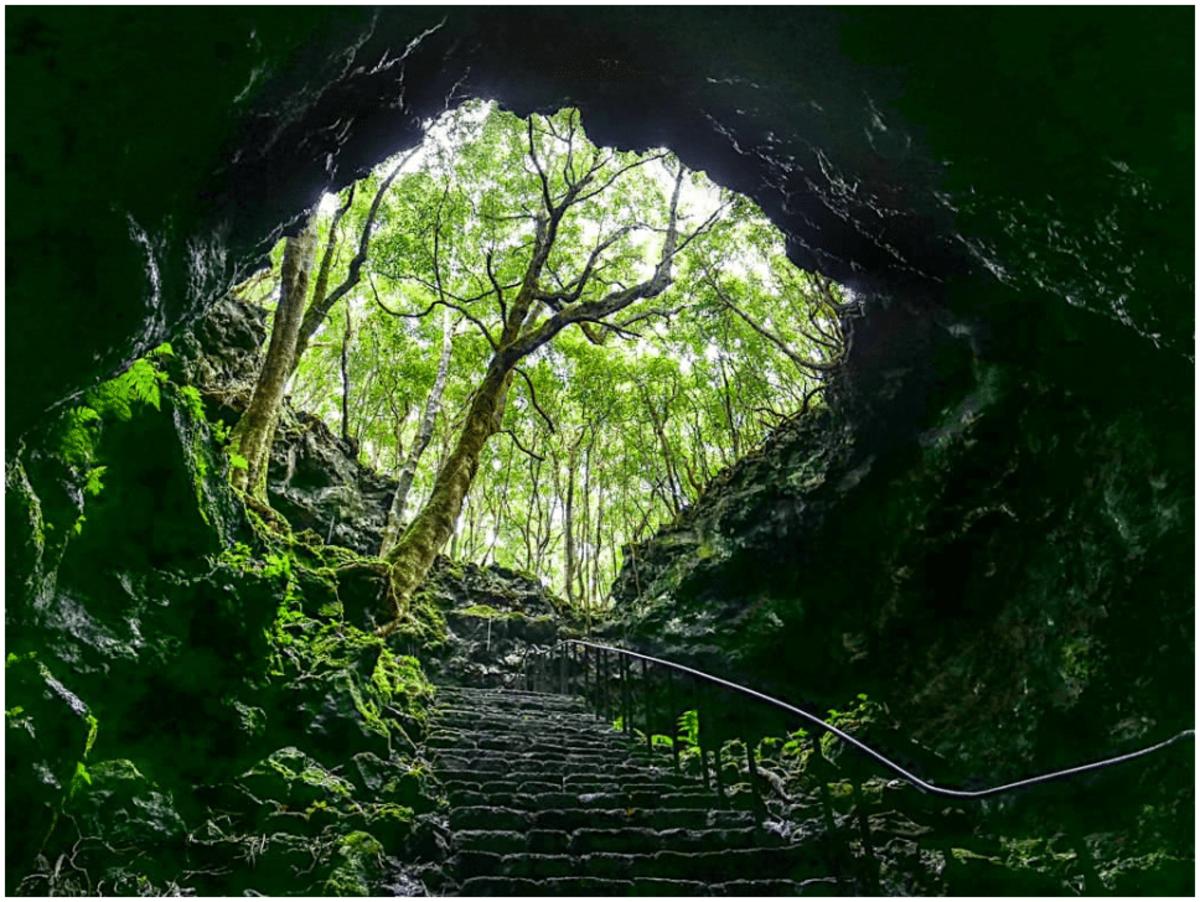
At 5,150 metres long, Gruta das Tores is the largest lava tunnel in Portugal.
It can only be visited with a guide. The guide will take you through a number of tunnels and explain how these lava caves were formed and what different types of lava can be seen.
Tips:
Tours take place at set times and we advise you to call ahead if you want to be sure of getting a place at a particular time of day.
Make sure you wear suitable footwear with a good grip.
Visit the whaling museums on the island of Pico
Which island? Pico
Highlights: The chance to learn more about the whaling industry.
Price: Free on Sundays
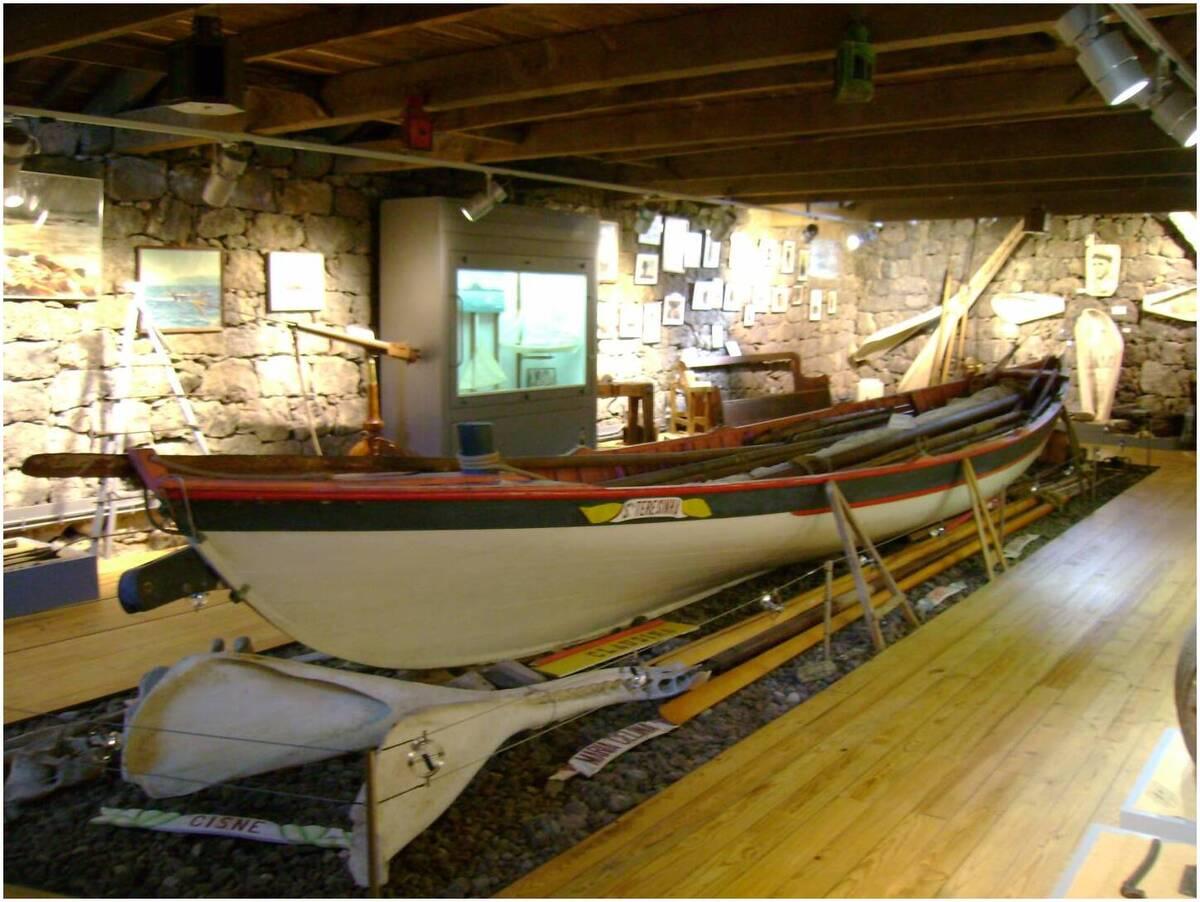
Whaling was an important source of income for the inhabitants of the island of Pico until it was banned in 1986.
In Pico, you can learn more about this history.
The Lajes do Pico museum is dedicated to whaling. Although the museum is small, it is well worth a visit, if only for the film you can watch about how they hunted whales.
The São Roque Museum is housed in a former whaling factory. Here you can learn how whales were processed to turn their blubber into whale oil.
How many days do you need in the Azores?
It's not easy to say what the ideal amount of time to spend on each island is.
After all, it largely depends on various factors such as how you travel, how much hiking you want to do, and the things you want to see and do on each of the Azores islands.
In general, you should be able to see all the highlights of most of the Azores islands in 2 or 3 days. The only exception is São Miguel, the largest island, where we recommend staying for at least 5 to 7 days.
Getting around the Azores
We always recommend that visitors to the Azores hire a car. It's simply the best way to ensure you can see everything you want to see and explore every inch of the islands, from waterfalls off the beaten track to hiking trails in the countryside, and much more. Don't worry about hiring a car, as rental rates are affordable in the Azores, and driving is easy. Although the Azores have public transport in the form of buses, these are very limited and infrequent. Taxis are a slightly more expensive option, so it's wiser to hire a car and make sure your Azores holiday is all you want it to be and that you can do everything you want to do to suit your schedule.
When you're ready to book your trip, there's no need to be overwhelmed by the number of car hire options. Azores Getaways offers you the best deals and prices, with a variety of car hire options to choose from.
When to go to the Azores
The best time to visit the Azores is from June to August. During this period, temperatures are at their highest, cloudy days are rarer and the likelihood of rain is low. If you're looking for an island getaway where it's sunny and warm all year round, the Azores are not that kind of destination. The Azores' location in the middle of the Atlantic (1,000 miles off the coast of western Portugal) means you'll be greeted by mild temperatures and rain all year round.
Whichever month you choose to visit, be aware that the weather is notoriously unpredictable, even in summer. Pack layers of clothing, sturdy waterproof footwear and always take an umbrella with you.
See also When to go to the Azores Hiking, festivals and more!
What should you take with you when travelling to the Azores?
Although this is not an exhaustive list, the items below are what we consider essential and are a good starting point:
Water shoes
Sunscreen
Sunglasses/hat
Electrical plug adaptor/voltage converter
Camera and/or mobile phone
Light coat/windbreaker or mackintosh
Walking shoes/shoes (sandals or flip-flops for pool or dinners only)
Comfortable/athletic clothing
Light backpack for walks/hiking
A few tips to bear in mind:
There are banks and bureaux de change in all the major towns in the Azores. Most government agencies work early in the morning and close at 3pm.
Many large hotels, car rental offices and shopping centres accept Master Card and Visa credit cards.
Tipping in restaurants and cafés is not common here. However, if you really want to thank a helpful waiter, you can add about 10% of the amount to your total bill.
Guests are encouraged to visit the islands during the period of one of the national holidays. There are always many interesting cultural events at this time of year.
Divers should not forget to explore the coastal area of the island of Pico, which is considered to be the most picturesque spot in the Azores. It should be noted that not all islands are suitable for relaxing on the beach. On many islands, the coastal area is covered in lava and hardened ash.
Buses are still the most practical way of getting around the island. Steamboats are used to link the islands.
Tourists planning to hire a car are advised to replace it with a scooter. There are many narrow streets on the island and it is not very practical to get around by car.
If you plan to make international calls, it is best to use special public telephones. There are also telephones in many restaurants and cafés. Tourists planning to make phone calls from a hotel will face the highest charges.
Stretching and yawning are not accepted in public places. Local residents may regard such actions as a sign of bad behaviour and lack of education.
Under no circumstances should locals be compared to Spaniards. Comparisons of this kind are very painful for them.
FAQ :
How many islands are there in the Azores?
The Azores are a Portuguese archipelago made up of nine islands, divided into three different groups. The eastern group includes the islands of São Miguel and Santa Maria. The central group is made up of the islands of Terceira, Graciosa, Faial, São Jorge and Pico. Finally, the western group is made up of the islands of Corvo and Flores.
Although these islands share certain similarities, each one is quite unique and different when you compare their heritage, history and traditions.
What's the weather like in the Azores?
The weather in the Azores can be quite unpredictable. For example, in the course of a single day's trip to the Azores, you can experience all four seasons! You may start the day with a light rain, then see the sun appear a few minutes later, followed by a bit of wind, and more! For this reason, don't rely too heavily on the weather forecast during your trip, and come prepared and dressed accordingly (we suggest several layers of clothing!) so that you can make the most of every day, rain or shine. That said, although the Azores have a mild, moderate climate, they do have four seasons.
Can I fly between the islands of the Azores?
Yes, you can fly between the islands of the Azores! In fact, we strongly recommend that you fly to each of the islands, as each island in the Azores is unique and different in its own way. The good news is that SATA Air Azores flies daily to all the islands of the Azores, which means that if you want to visit more than one island, especially during the winter months, this is the ideal solution.
What do I need to bring for a hike?
There are many beautiful and natural hiking trails to discover in the Azores. But before you set out on the trail, there are a few important tips to bear in mind, particularly when it comes to what to wear and what essentials to take with you. Make sure you pack a mackintosh, snacks along the way, plenty of water, sun cream and maybe even lunch if the hike is going to last a little longer than a short stroll. You'll find that the trails in the Azores often have picturesque picnic areas along the way, many of which offer absolutely unforgettable views. And don't forget to bring good hiking boots, especially as some of the trails can be tricky in places, and a good grip on your footwear can make a big difference. You may also want to consider investing in waterproof or water-resistant hiking boots, as part of the reason the Azores are so lush and beautiful is the amount of rain they receive each year, which means the hikes can be muddy and rainy, but epic!
What can I see for free?
Visitors to the Azores will be pleased to note that there are many free attractions on the islands. In fact, almost every hike, view or lake can be seen for free, and in the Azores, the lush places on the list are almost endless! So you'll never be short of epic options that are absolutely free.
But not everything is free
As mentioned above, not all attractions in the Azores are free. For example, to enter the Terra Nostra gardens or Caldeira Velha - two of the main tourist destinations - you'll have to pay an entrance fee. Although these idyllic places are well worth the price of admission, it's a good idea to find out in advance so you can be sure and carry a few euros with you. It's also worth noting that activities such as whale watching, canyoning and professional guided tours are not free, but remain excellent options for discovering all the wonders of the Azores. Guided tours are particularly interesting as they allow you to benefit from all the advice and information of local experts.
Is there internet and WiFi in the Azores?
Free WiFi is widely available in many public places, restaurants, shopping centres and hotels, but you should contact your mobile operator before you travel and find out about the international data rates for your package and any roaming charges that may apply. The last thing you want is to come home to a bunch of surprising charges for using data abroad!