Exploring London's Millennium Bridge
A Walk Across Time: The Story of the Millennium Bridge
Birth of a Modern Landmark
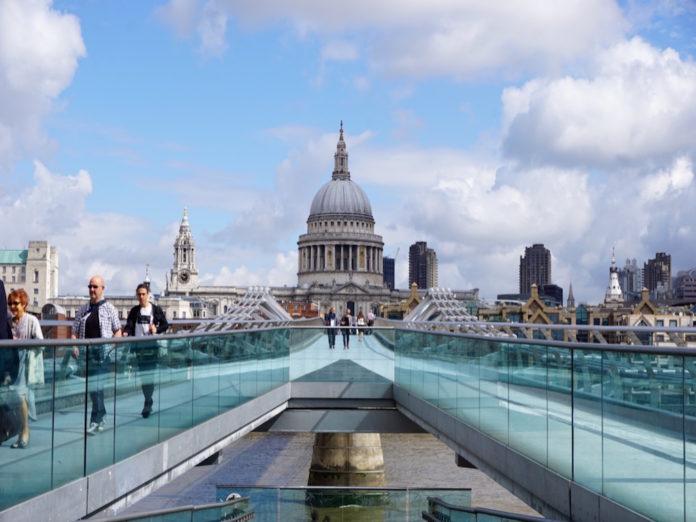
The Millennium Bridge, a steel suspension bridge for pedestrians, stretches across the River Thames in London, connecting Bankside with the City of London. It was conceived as a feat of engineering and a work of art, aligning perfectly with the dome of St Paul's Cathedral at one end, and the Tate Modern Gallery at the other. Opened to the public in June 2000, it was London's first new Thames crossing in more than a century.
This bridge was the result of a unique collaboration between architecture, art, and engineering, designed by the renowned architect Sir Norman Foster, sculptor Sir Anthony Caro, and the engineering firm Arup. Merging strength with elegance, it was both a metaphorical and literal gateway into the new millennium—an emblem of modernity set against London's historic skyline.
For visitors eager to experience London’s blend of historical charm and modern convenience, staying at aragon house in london offers an ideal location. Offering close proximity to the Millennium Bridge and other architectural wonders, it's a perfect base from which to explore the rich tapestry of London’s past and present.
Swaying Sensation: The Bridge's Initial Wobbles
The Millennium Bridge's opening day was an event of much fanfare. However, the celebration turned to consternation when pedestrians felt an unexpected swaying motion. This swaying, caused by what engineers referred to as 'synchronous lateral excitation,' occurred when the natural human steps of the bridge-crossers inadvertently synchronized with the bridge's natural sway frequency.
This phenomenon garnered the nickname 'The Wobbly Bridge' among Londoners and the media. The movement unnerved pedestrians and led to an urgent investigation, as the safety of the public was paramount. To prevent accidents, the bridge was temporarily closed—a disappointing setback for what was meant to symbolize the future's stability.
Engineering Triumph: Stabilizing the Millennium Bridge
The unexpected closure signified a remarkable period of learning and adaptation. The engineers embarked on an extensive program of research and modifications. The solution involved the installation of dampers, devices designed to absorb and counteract the energy of the crowd-induced sway.
The table below shows the improvements made to eliminate the wobble:
Modification | Function | Quantity |
|---|---|---|
Viscous dampers | Absorb kinetic energy | 52 |
Tuned mass dampers | Balancer to modify resonant frequency | 37 |
Damping mass | Additional stabilizing weight | 2 |
Pier dampers | Strengthens connection with piers | 8 |
These modifications were successful, and in February 2002, the Millennium Bridge reopened to the public. Today, it stands not only as a utilitarian crossing but also as a symbol of how engineering can overcome challenges, adapting to meet the undulating rhythms of human movement and natural forces.
Design Marvels
Innovative Architecture and Design
From the sweeping silhouettes of skyscrapers that touch the clouds to the intricate lattices of awe-inspiring bridges, innovative architecture and design embody human creativity and engineering prowess. These structures are not merely functional; they stand as cultural icons, symbolizing the advancements of civilizations. They push the boundaries of what is possible, utilizing cutting-edge materials and construction techniques to bring the once unimaginable to life.
Modern architects, like Zaha Hadid and Norman Foster, have redefined cityscapes with their unique approach to design, incorporating fluid forms and sustainable elements that blend aesthetics with functionality. Their buildings often become the focal points of the cities they grace, drawing in millions of admirers and contributing significantly to local economies through tourism and business activities.
In residential design, the importance of combining form with function becomes even more personal. Homes designed with an eye towards sustainability and natural integration not only lessen the environmental impact but also create living spaces that enhance the well-being of their inhabitants. The emergence of smart home technologies has revolutionized home design, offering personalized and efficient ways to live.
The Science Underfoot: Structural Mechanics of the Bridge
Bridges, by design, are some of the most striking features of infrastructural engineering and a direct reflection of the technological zeitgeist of their time. The structural mechanics of bridges marry the aesthetic with the functional, embodying a physical form governed by the laws of physics and material science. Every component of a bridge, from cables to columns, holds a critical function in managing immense loads and environmental pressures.
The majestic arches and spans are not just works of art; they are meticulously calculated manifestations of structural integrity. Engineers consider various forces such as tension, compression, bending, and torsion when designing these structures. Contemporary materials like carbon fiber and high-strength concrete have opened new horizons for longer, more resilient bridges that can withstand the tests of time and nature.
Bridges are complex systems that require careful consideration of multiple factors to ensure their longevity and safety. A look into the structural mechanics reveals an orchestra of elements, each playing a specific part to support the immense weight and dynamic loads bridges carry daily. Below is a simplified table outlining key components of a typical bridge and their roles:
Component | Material | Function | Example |
|---|---|---|---|
Abutment | Concrete, Stone | Supports the end of the bridge | San Francisco's Golden Gate |
Beam | Steel, Composite | Withstands bending moments | Brooklyn Bridge |
Cable | Steel Wire | Carries tensile forces | The AKASHI-KAIKŌ Bridge |
Deck | Concrete, Asphalt | Provides the roadway surface | Millau Viaduct |
Pier | Concrete, Steel | Holds up the beam or arch | Pont du Gard |
To further understand how these various components work in unison, let's walk through a step-by-step breakdown of a simple beam bridge's load distribution:
Load Application: Vehicles and pedestrians apply a vertical load upon the bridge deck.
Beam Action: The beams running beneath the deck bear this load, experiencing bending forces.
Force Transmission: These forces are then transmitted to the piers or towers that support the beams.
Ground Support: Finally, the piers transfer these forces to the ground below, which must be stable enough to handle these stresses.
By understanding the meticulous design and the relentless laws of physics acting upon these structures, we gain a greater appreciation for the marvels of bridge engineering—marvels that are driven as much by human ingenuity as by the need to connect and advance our societies.
Millennium Bridge and the Thames
Symbolic Connection: The Thames and the Bridge's Role
As a sleek thread of steel stretching across the River Thames, the Millennium Bridge is more than a feat of engineering; it's a modern symbol of connectivity in the historic heart of London. Linking the Tate Modern with St. Paul's Cathedral, the bridge metaphorically and physically bridges the gap between London's diverse cultural history and contemporary life.
The Thames has been the lifeblood of London since Roman times, and the Millennium Bridge adds a modern chapter to this long history. Its pedestrian-only pathway encourages a slower pace of life right in the city center, allowing for reflective strolls across the water with stunning urban vistas — a true blend of the old and the new.
Eco-Conscious Construction: Protecting the Urban Waterways
Conscious of the environmental impact on the River Thames, the creators of the Millennium Bridge invested in eco-friendly construction techniques. The bridge was constructed with minimal disruptions to river traffic and aquatic life, demonstrating a harmonious balance between innovation and conservation.
The use of non-toxic paints and the implementation of energy-efficient lighting systems ensure that the bridge's presence is sustainable, while its slender design reduces shadowing effects over the water, preserving the natural habitat beneath the bustling city.
Feature | Detail |
|---|---|
Materials Used | Recycled Steel, Energy-efficient Lights |
Impact on River Traffic | Minimal Disruption |
Impact on Aquatic Life | Reduced Shadowing, Non-toxic Materials |
Eco-friendly Measures | Use of Renewable Resources, Sustainable Construction Practices |
The Pedestrian Experience
A Footpath with a View: Scenic Highlights Along the Millennium Bridge
As you set foot onto the steel suspension of the Millennium Bridge, you're embarking on more than just a crossing; you're stepping onto a panoramic platform. Every step offers an evolving cityscape. To the east, St. Paul's Cathedral's dome looms, a testimony to timeless architecture. Westward, Tate Modern, a beacon of contemporary art, entices the eye. And below, the Thames glides, carving its way through the heart of London.
Halfway across, take a moment to observe the subtle lapping of the waves against the riverbanks, the distant hum of city life and the soft clinking of rigging from boats moored at the bank. As night descends, the bridge is a chorus of lights, with the city's luminance reflecting off the river, creating a double-sided display of brilliance.
Cultural Significance: Public Art and Monuments Nearby
The Millennium Bridge isn't simply a crossing; it's a gallery. Sculptures, engravings, and installations dot the way, each narrating a piece of London's rich tapestry. 'The Globe Theatre', a stone's throw away, continues the cultural dialogue, offering you echos of Shakespeare’s prose.
Memorials are strewn with intent along the pathways leading to and from the bridge. The National Theatre to the south and the London Stock Exchange to north anchor the bridge's ends with their commanding presence, inviting those with an appetite for economic or dramatic history to indulge their curiosity.
A Snapshot in Time: Best Photo Opportunities on the Bridge
Photography enthusiasts and selfie-seekers alike will find their muse on the Millennium Bridge. Your camera's lens is the only limit to capturing the essence of this location.
Location | View | Time of Day |
|---|---|---|
Bridge's Center | 360° panorama of Thames, St. Paul's, Tate Modern | Golden Hour |
Northern Entrance | St. Paul's Cathedral | Morning |
Southern Steps | Tate Modern & Southbank | Evening |
River Level | Underneath Bridge Architecture | Midday Light |
For a step by step guide to the best shot:
Stand at the center of the bridge; this allows for a balanced composition of the fore and backgrounds.
Wait for the magic of the golden hour when the light bathes everything in a warm glow, perfect for capturing the city's textures.
Align your camera with the river, using it as a leading line to draw eyes toward the horizon of iconic landmarks.
If you crave a dynamic shot, include pedestrians and cyclists as they add movement to your frame.
Finally, play with perspectives. Lower your camera to incorporate the steel suspension or raise it to capture the juxtaposition of old and new architecture.
From Dusk till Dawn: The Bridge Through Hours
Lighting Up the Night: Millennium Bridge Illuminations
When the sun sets, the Millennium Bridge transforms into a gleaming beacon, drawing the eyes of visitors and locals alike. The carefully curated illuminations breathe life into the structure, setting it aglow with an ambience that is both modern and magical. This light display isn't just about visibility; it's an artistic expression that enhances the urban nightscape and reflects off the river's surface.
No matter the season, the light installations are tailored to complement the city's mood. Winter brings crisp, clear LEDs that mimic the starry skies, while summer may see a warmer glow that extends the golden hour well into the night. It is during these illuminated hours that the bridge becomes photography's muse, allowing for breathtaking snapshots with the city's skyline in the backdrop.
Time | Color & Lighting Description |
|---|---|
Twilight (6 PM - 7 PM) | Subtle pink and purple hues mimic the sunset |
Early Night (7 PM - 9 PM) | Gradual shift to cool blues and whites |
Late Night (9 PM - 2 AM) | Dynamic light shows or steady silver glow |
Pre-Dawn (2 AM - 4 AM) | Dimmed lights for a serene ambience |
Day Tripper Advantages: Visiting During Sunlit Hours
Visitors choosing to experience the Millennium Bridge during daylight will find a different kind of delight. As the sun reaches its zenith, the bridge's steel and aluminum exoskeleton stands proudly against the clear blue sky, setting the stage for a stroll that offers uninterrupted views of the city's daylit splendors.
A crossing over the bridge is more than a simple transit; it's an opportunity to witness the hustle and bustle of the city from a unique vantage point. Street performers often dot the pathway, each adding a layer of cultural vibrancy to the experience. Meanwhile, a detailed look at the bridge's construction becomes a mini-tutorial in modern architecture, best appreciated in the full light of day.
For the history enthusiasts, plaques and information boards are stationed at intervals, providing insights into the history of the bridge and its surrounding landmarks. Engaging with these details enriches the visit, making it an informative expedition that enlightens as much as it pleases the eyes.
Whether it's the dance of daylight on the Thames or the chance to catch a rare, sun-filtered glimpse of St. Paul's Cathedral, the Millennium Bridge during the day offers a catalogue of visual treats:
Impressive, widescreen experience of historic London
Photographic opportunities with natural lighting
Interactive street performances
Closer inspection of architectural details
Informational journey across the bridge's span
Taking advantage of the sunlit hours also means enjoying the practicality of an early visit. Lower foot traffic in the mornings ensures a more leisurely pace and the ability to absorb the scenery without the press of a crowd. Afternoon visits, meanwhile, provide the chance to bask in the vibrancy of the city at its most energetic, offering a stark contrast to the tranquil beauty of the illuminated night.
Practical Information for Visitors
Locating the Millennium Bridge: Directions and Accessibility
Whether you're traversing the vibrant streets of London on foot or navigating the city's robust public transportation system, finding the Millennium Bridge is a breeze. Situated just a stone's throw from St. Paul's Cathedral, the bridge serves as a pedestrian pathway across the River Thames, connecting the City of London with the vibrant Tate Modern and Shakespeare's Globe Theatre on the South Bank.
By Tube: The closest tube stations are Mansion House on the District and Circle lines, and St. Paul's on the Central line. From either of these, the bridge is just a short walk away.
By Train: The nearest rail stations are Blackfriars and Cannon Street, which provide easy access from other parts of the city or the UK.
By Bus: A number of bus routes serve the area around Millennium Bridge, including numbers 4, 11, 15, 23, 26, and 76, all of which stop within walking distance.
For those with accessibility needs, Millennium Bridge is equipped with ramps and smooth surfaces to accommodate wheelchairs and strollers, making it an accommodating passage for all visitors.
Eating and Shopping:
Nearby Eateries and Boutiques
After a scenic stroll across the Millennium Bridge, you might find yourself peckish or in the mood for a touch of retail therapy. The vicinity boasts an array of delectable eateries and unique boutiques that cater to every palate and shopping preference.
From chic cafes offering artisanal coffee and pastries to atmospheric restaurants where you can savor British classics or international cuisine, there's no shortage of foodie delights. Here's a glimpse into a few local favorites:
Eatery | Type of Cuisine | Price Range |
|---|---|---|
The Thames Grille | Contemporary British | ££ - £££ |
Piccola Italia | Authentic Italian | ££ |
El Pirata del Rio | Spanish Tapas | ££ |
Riverside Cafe | Cafe & Bakery | £ |
Surrounding boutiques offer everything from handmade jewelry and crafts to high-end fashion and quirky home decor. Whether for personal indulgence or gifts, these shops promise an enjoyable browsing experience.
Reflecting on Souvenirs: Commemorative Items and Where to Find Them
No visit to London would be complete without picking up a few souvenirs to commemorate your travels. In the shadows of the Millennium Bridge, you'll discover shops filled with mementos ranging from the quintessential to the unexpected.
For lovers of literature and the arts, the gift shops within Shakespeare's Globe Theatre and Tate Modern offer a variety of keepsakes including collectible books, unique artwork, and handcrafted items. Those looking for something more iconic can choose from miniature replicas of the bridge, London-themed apparel, and other classic British memorabilia at local souvenir stalls.
Here is a simple guide to finding the perfect souvenir:
Decide on the nature of the souvenir you want. Functional, decorative, or collectible?
Consider the recipient's tastes if it's a gift—is there a particular theme or style they love?
Set a budget to help narrow down your options.
Check out the offerings at multiple shops to compare prices and uniqueness.
Make sure you can safely transport or ship your selection back home.
With these steps, you can make meaningful purchases that capture the essence of your London experience.
Locating the Millennium Bridge: Directions and Accessibility
Whether you're traversing the vibrant streets of London on foot or navigating the city's robust public transportation system, finding the Millennium Bridge is a breeze. Situated just a stone's throw from St. Paul's Cathedral, the bridge serves as a pedestrian pathway across the River Thames, connecting the City of London with the vibrant Tate Modern and Shakespeare's Globe Theatre on the South Bank.
By Tube: The closest tube stations are Mansion House on the District and Circle lines, and St. Paul's on the Central line. From either of these, the bridge is just a short walk away.
By Train: The nearest rail stations are Blackfriars and Cannon Street, which provide easy access from other parts of the city or the UK.
By Bus: A number of bus routes serve the area around Millennium Bridge, including numbers 4, 11, 15, 23, 26, and 76, all of which stop within walking distance.
For those with accessibility needs, Millennium Bridge is equipped with ramps and smooth surfaces to accommodate wheelchairs and strollers, making it an accommodating passage for all visitors.
Eating and Shopping:
Nearby Eateries and Boutiques
After a scenic stroll across the Millennium Bridge, you might find yourself peckish or in the mood for a touch of retail therapy. The vicinity boasts an array of delectable eateries and unique boutiques that cater to every palate and shopping preference.
From chic cafes offering artisanal coffee and pastries to atmospheric restaurants where you can savor British classics or international cuisine, there's no shortage of foodie delights. Here's a glimpse into a few local favorites:
Eatery | Type of Cuisine | Price Range |
|---|---|---|
The Thames Grille | Contemporary British | ££ - £££ |
Piccola Italia | Authentic Italian | ££ |
El Pirata del Rio | Spanish Tapas | ££ |
Riverside Cafe | Cafe & Bakery | £ |
Surrounding boutiques offer everything from handmade jewelry and crafts to high-end fashion and quirky home decor. Whether for personal indulgence or gifts, these shops promise an enjoyable browsing experience.
Reflecting on Souvenirs: Commemorative Items and Where to Find Them
No visit to London would be complete without picking up a few souvenirs to commemorate your travels. In the shadows of the Millennium Bridge, you'll discover shops filled with mementos ranging from the quintessential to the unexpected.
For lovers of literature and the arts, the gift shops within Shakespeare's Globe Theatre and Tate Modern offer a variety of keepsakes including collectible books, unique artwork, and handcrafted items. Those looking for something more iconic can choose from miniature replicas of the bridge, London-themed apparel, and other classic British memorabilia at local souvenir stalls.
Here is a simple guide to finding the perfect souvenir:
Decide on the nature of the souvenir you want. Functional, decorative, or collectible?
Consider the recipient's tastes if it's a gift—is there a particular theme or style they love?
Set a budget to help narrow down your options.
Check out the offerings at multiple shops to compare prices and uniqueness.
Make sure you can safely transport or ship your selection back home.
With these steps, you can make meaningful purchases that capture the essence of your London experience.
Nearby Eateries and Boutiques
After a scenic stroll across the Millennium Bridge, you might find yourself peckish or in the mood for a touch of retail therapy. The vicinity boasts an array of delectable eateries and unique boutiques that cater to every palate and shopping preference.
From chic cafes offering artisanal coffee and pastries to atmospheric restaurants where you can savor British classics or international cuisine, there's no shortage of foodie delights. Here's a glimpse into a few local favorites:
Eatery | Type of Cuisine | Price Range |
|---|---|---|
The Thames Grille | Contemporary British | ££ - £££ |
Piccola Italia | Authentic Italian | ££ |
El Pirata del Rio | Spanish Tapas | ££ |
Riverside Cafe | Cafe & Bakery | £ |
Surrounding boutiques offer everything from handmade jewelry and crafts to high-end fashion and quirky home decor. Whether for personal indulgence or gifts, these shops promise an enjoyable browsing experience.
Reflecting on Souvenirs: Commemorative Items and Where to Find Them
No visit to London would be complete without picking up a few souvenirs to commemorate your travels. In the shadows of the Millennium Bridge, you'll discover shops filled with mementos ranging from the quintessential to the unexpected.
For lovers of literature and the arts, the gift shops within Shakespeare's Globe Theatre and Tate Modern offer a variety of keepsakes including collectible books, unique artwork, and handcrafted items. Those looking for something more iconic can choose from miniature replicas of the bridge, London-themed apparel, and other classic British memorabilia at local souvenir stalls.
Here is a simple guide to finding the perfect souvenir:
Decide on the nature of the souvenir you want. Functional, decorative, or collectible?
Consider the recipient's tastes if it's a gift—is there a particular theme or style they love?
Set a budget to help narrow down your options.
Check out the offerings at multiple shops to compare prices and uniqueness.
Make sure you can safely transport or ship your selection back home.
With these steps, you can make meaningful purchases that capture the essence of your London experience.
Events and Occasions
From Screen to Reality: The Bridge in Films and Media
Bridges have long captured the imagination of filmmakers and artists alike, often serving as iconic backdrops for cinematic masterpieces. They symbolize transitions, connections, and sometimes, insurmountable chasms. From the misty visage of the Golden Gate in 'Vertigo' to the adrenaline-fueled chase across the Brooklyn Bridge in 'I Am Legend', bridges often play a pivotal role in storytelling.
The riveting scenes have a magical way of transporting moviegoers from their seats right onto those very walkways and driving lanes. This bond between the viewer and the bridge is cemented further when they visit these structures, where fantasy and reality blend seamlessly in the recollection of their favorite scenes.
Annual Events and Unusual Happenings on the Bridge
Every year, bridges play host to a variety of unique events that draw crowds from near and far. Whether it's a celebration of engineering marvels, cultural festivities, or instances of collective human spirit, bridges are often at the center of these gatherings. They don't just connect places; they connect people to experiences and to each other.
Annual walking tours, marathons, and even bridge lighting ceremonies mark the calendar. Here is a brief overview of the type of events you might encounter on these architectural wonders:
Event Type | Date | Bridge | Description | Popularity |
|---|---|---|---|---|
Lighting Ceremony | December 1st | London Bridge | Annual illumination of the bridge with festive lights. | High |
Marathon | April 22nd | Brooklyn Bridge | A scenic run across the historical span with thousands of participants. | Very High |
Cultural Festival | July 14th | Pont Alexandre III | A day of music, dance, and food celebrating French culture. | Medium |
Engineering Tour | September 15th | Golden Gate Bridge | Guided tours focusing on the design and construction of the bridge. | Medium |
These events afford an opportunity not just to admire the structure but to participate in activities that enrich our understanding and appreciation of these engineering landmarks. To take part, be sure to check local event listings and bridge authority announcements for any registration requirements or travel advisories.
Navigating London with Ease
London on a Budget: Tips for Cost-Saving and Discounts
Navigating London doesn't have to break the bank. Firstly, make use of the extensive public transportation system by purchasing an Oyster Card; a pay-as-you-go smartcard for easy tap-and-go access that caps off your daily spending. Save on entry fees by investing in the London Pass, which gives you access to over 80 attractions for a set price. Eating out can add up quickly, so look for fixed-price menus, or enjoy a classic picnic in one of the many royal parks. Don't forget to check for free events and venues, like the British Museum or the Tate Modern.
Extend Your Journey: Connecting With Other London Landmarks
When you're ready to go beyond the typical tourist pathways, London's expansive metro and bus network allows for seamless connections to other iconic landmarks and hidden gems. Whether it's exploring Greenwich's maritime history, taking a leisurely stroll through Hampstead Heath, or immersing yourself in the vibrant markets of Camden, London's landmarks are well-connected and waiting to be explored.
Discover More:
For those planning an extended stay in London, it pays to venture further afield to uncover the city's diverse cultural tapestry. Join walking tours to delve into historic streets, take a day trip to Windsor, or even hop on a train to Oxford or Cambridge. With so many options at your fingertips, creating a detailed itinerary for your extended London adventure is essential.
Detailed Itineraries for Extended Stays in London
If you're spending more than a few days in the capital, planning is key to a fulfilling London experience. Here's a step-by-step guide to creating your extended stay itinerary:
Identify your top priority landmarks and events that may require advance booking.
Research off-peak travel times using the TfL (Transport for London) website to help avoid crowds and save on transportation costs.
Allocate days for specific areas to minimize travel time, grouping nearby attractions together.
Consider days out in the surrounding countryside or nearby cities for a change of pace.
Leave some flexibility to make unexpected discoveries or revisit favorite spots.
Day | Area | Landmarks and Activities | Transportation Tips | Dining Options |
|---|---|---|---|---|
1 | Westminster | Buckingham Palace, Houses of Parliament, Westminster Abbey | Tube to Westminster Station | Picnic in St. James's Park |
2 | The City of London | St. Paul's Cathedral, Tower of London, Sky Garden | Bus Route 15 | Street food at Borough Market |
3 | South Bank | The London Eye, Shakespeare's Globe, Tate Modern | Walk along the Thames Path | Dining at Southbank Centre Food Market |
4 | Kensington and Chelsea | Natural History Museum, Victoria and Albert Museum, Harrods | Tube to South Kensington Station | Afternoon tea at The Orangery |